
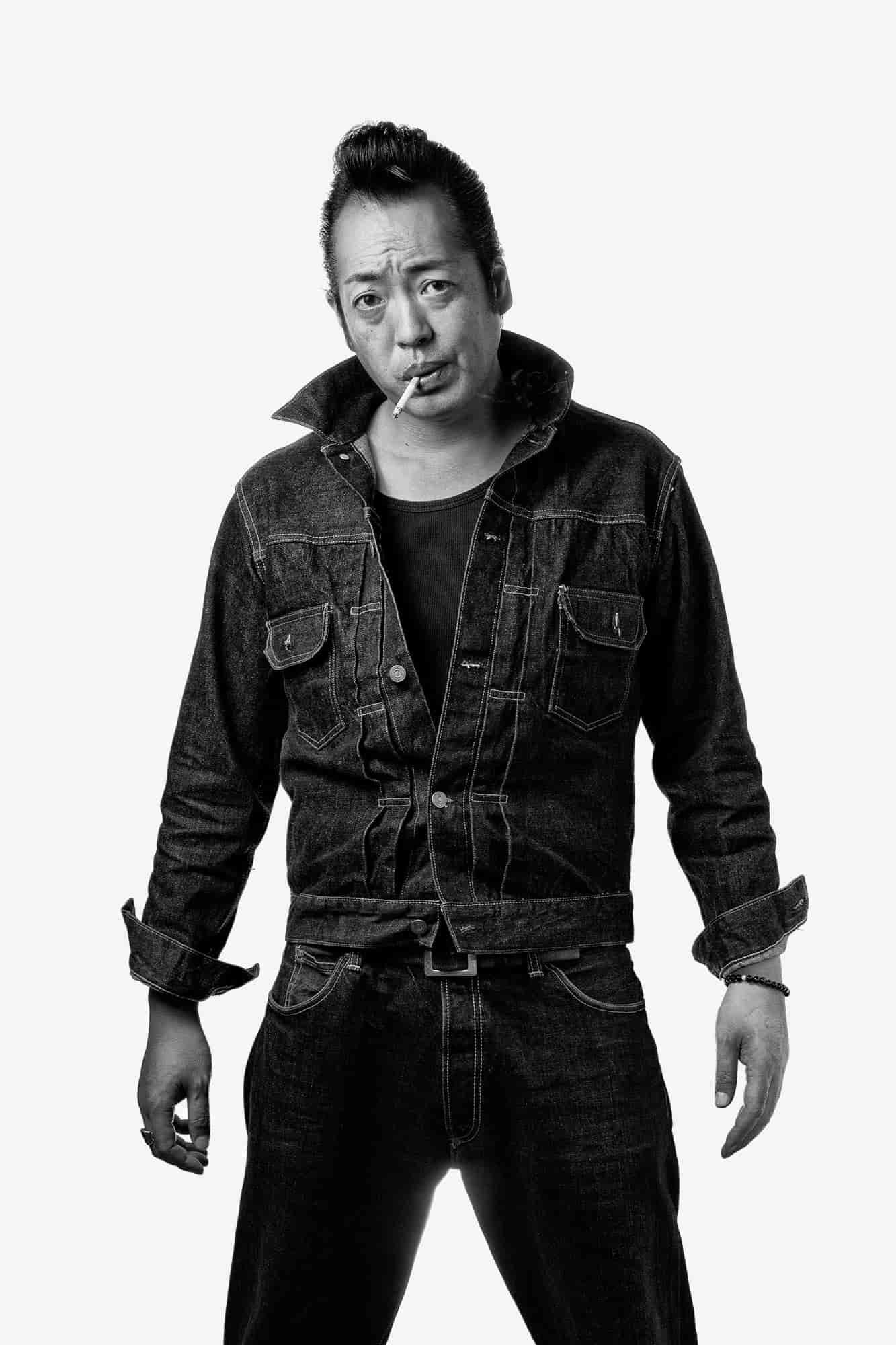
Rollerzoku is the distinctive Japanese rockabilly subculture known for leather jackets, pompadours, Rock n' Roll music, and a retro style rooted in 1950’s influences. Photographed over multiple trips across Japan beginning in 2013, this ongoing portrait series documents members of the Roller-zoku. The project explores identity, style, and community within one of Japan's most interesting subcultures.
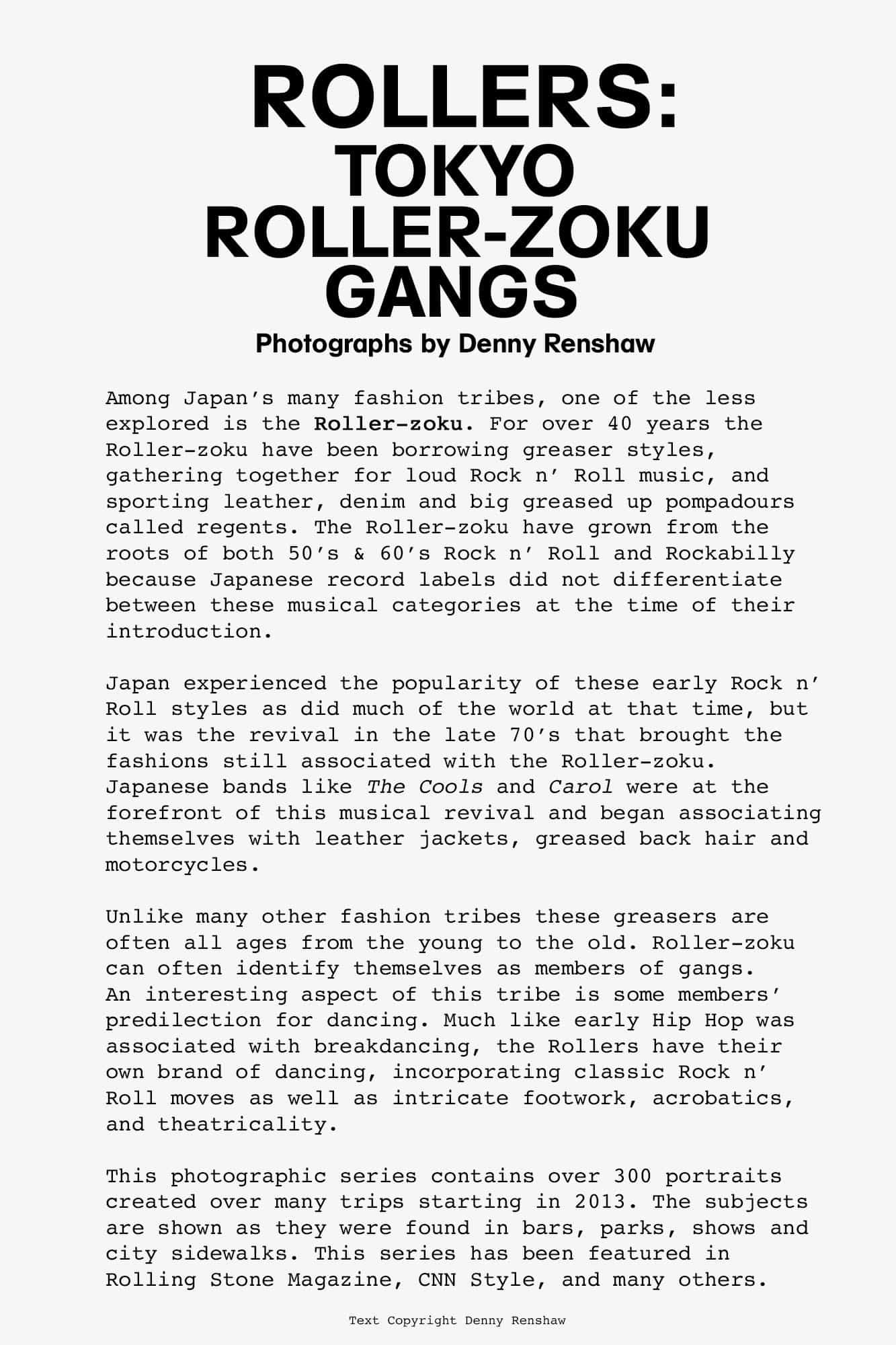
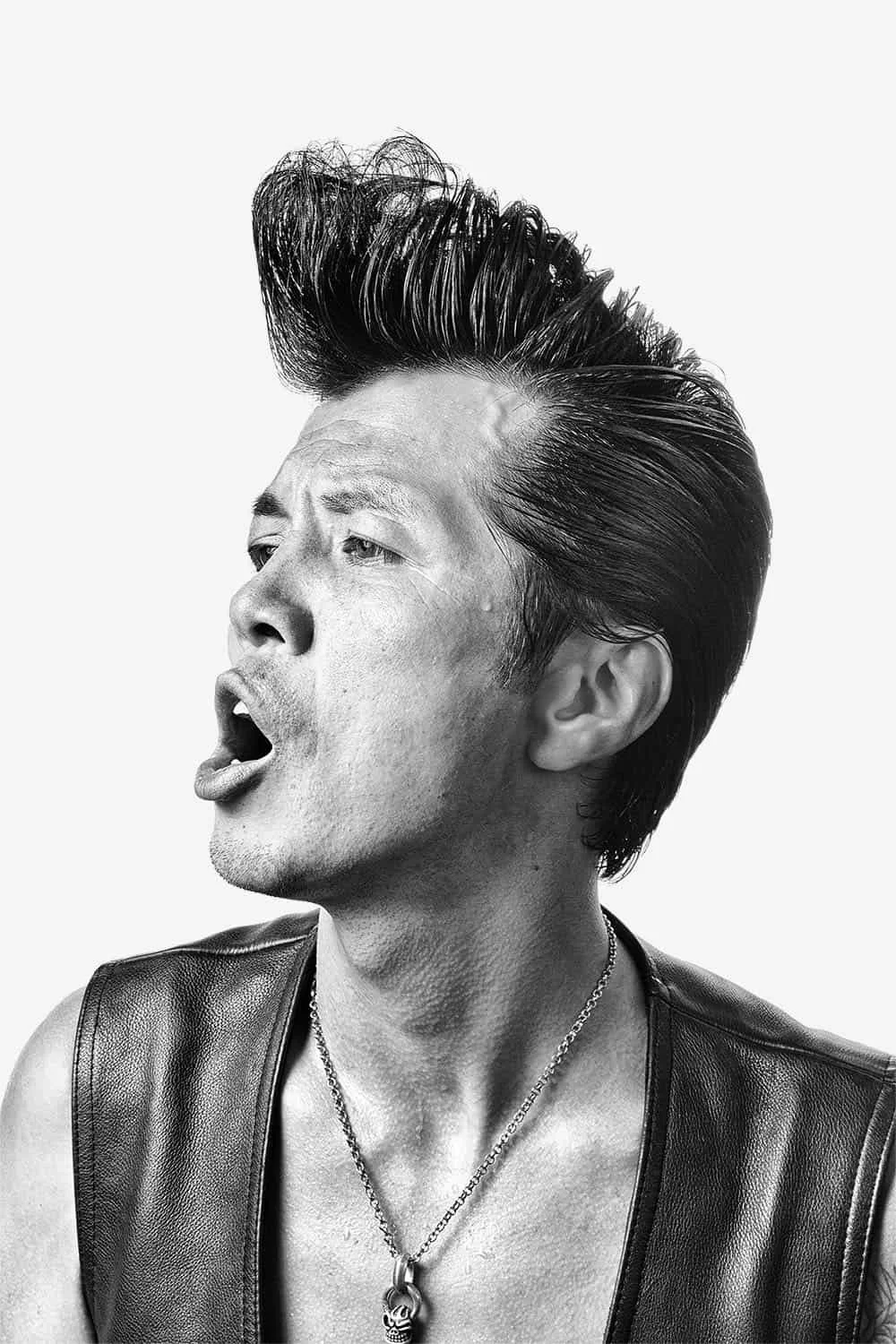
Rollerzoku in Yoyogi Park
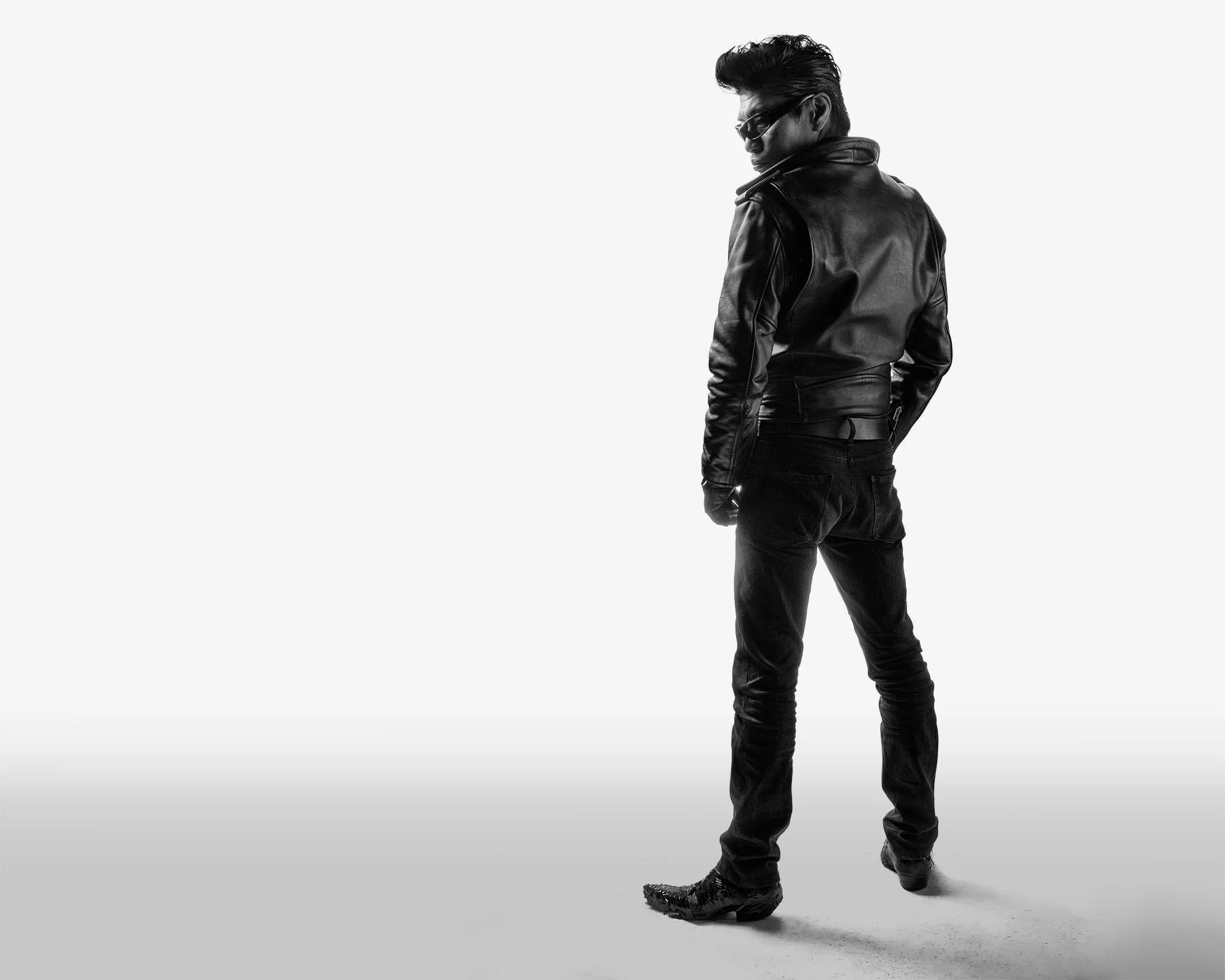
Rollerzoku from the Early Rollers
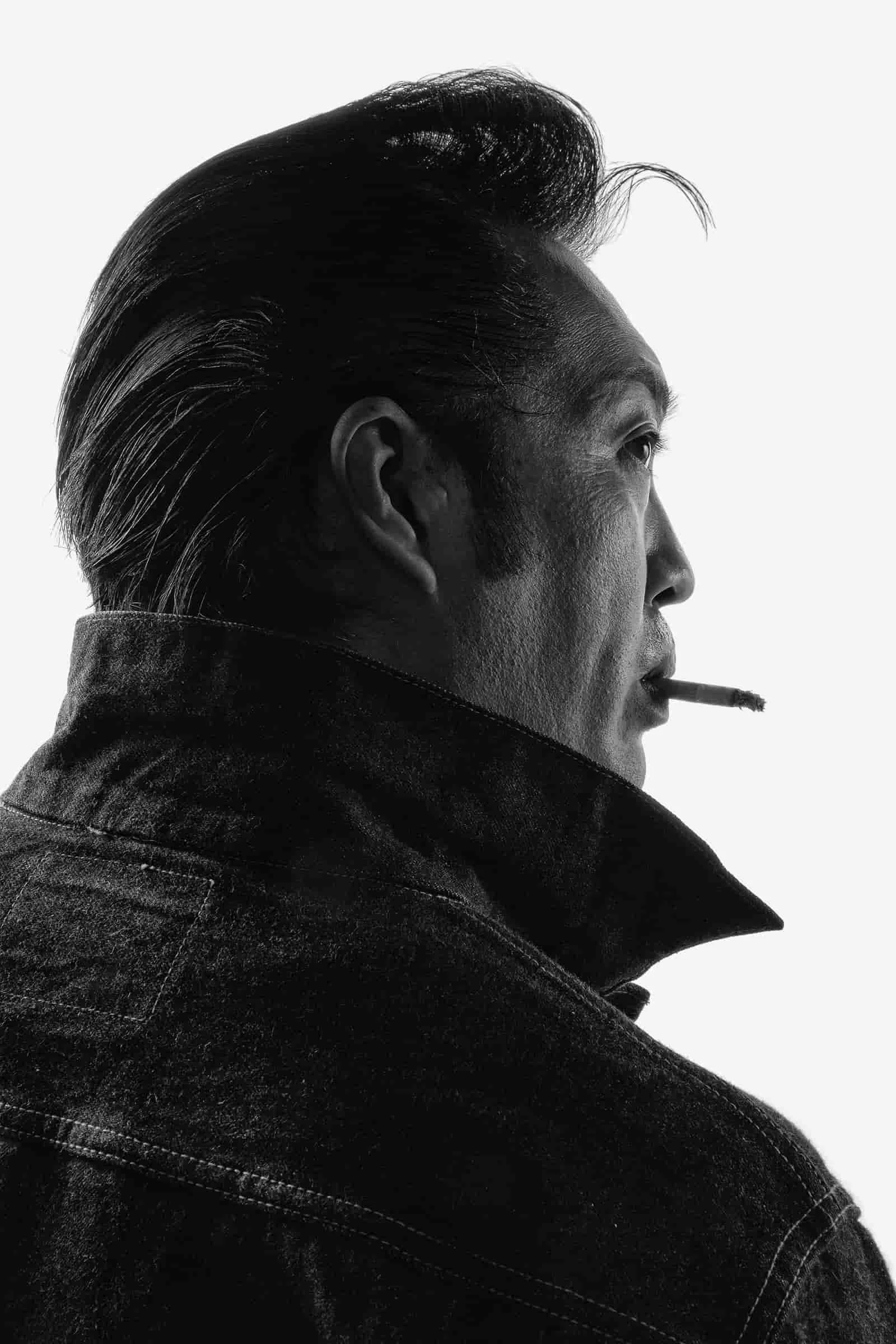
Yosuke of the Strangers
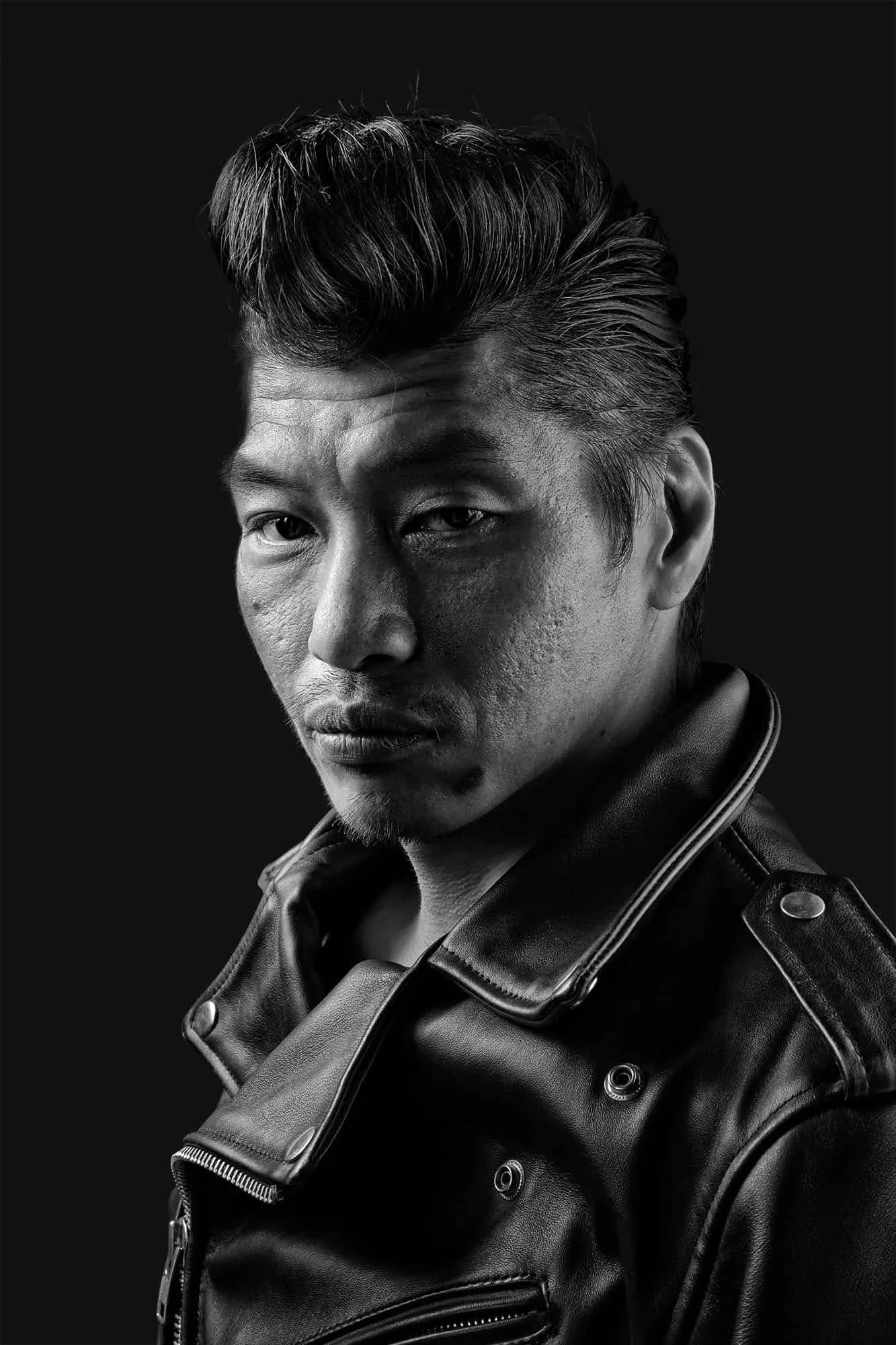
Portrait of a Early Rollers Member
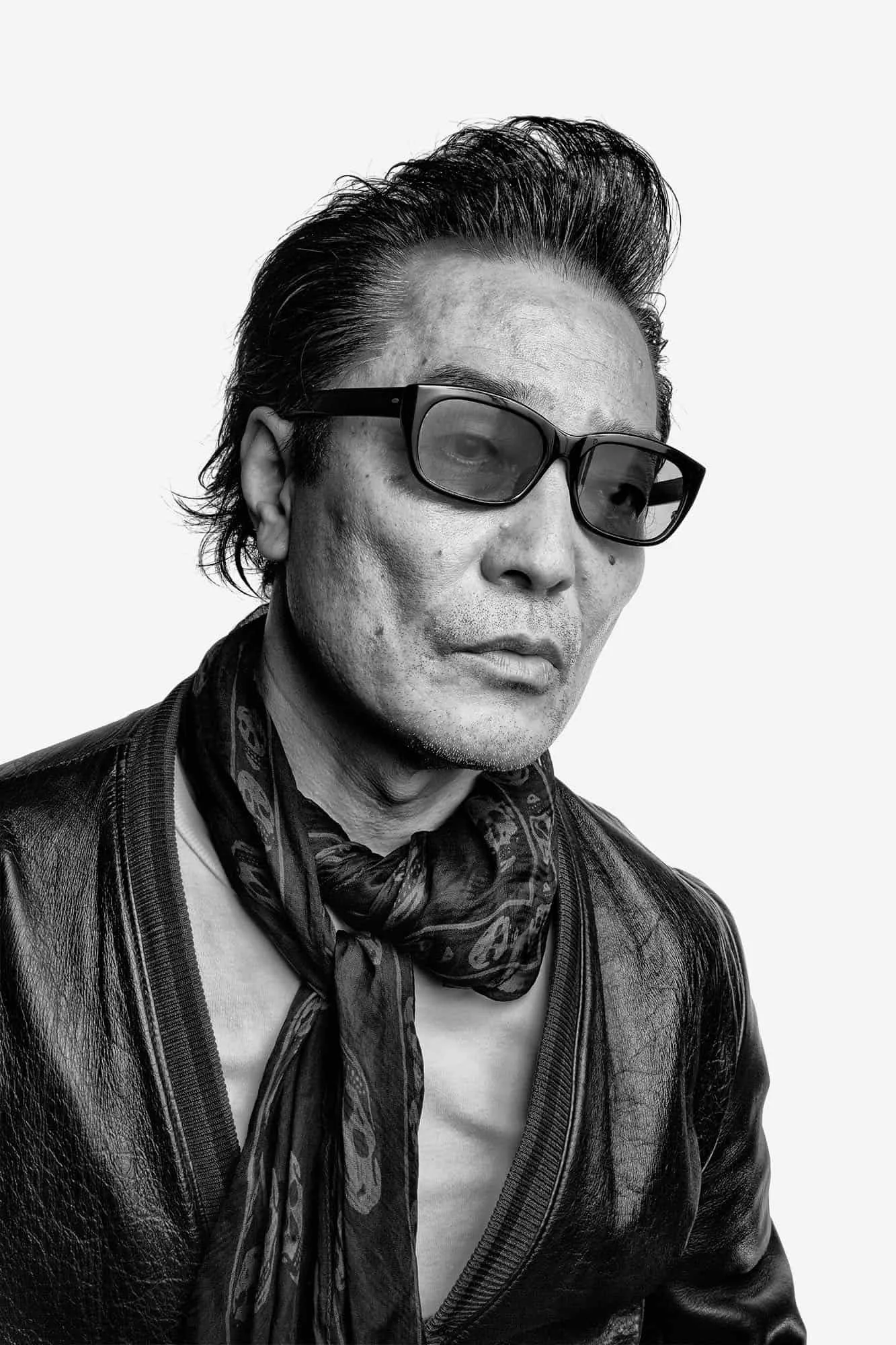
Haruyuki Mizuguchi (水口晴幸), known as Pitpi, co-founded the motorcycle team COOLS in Harajuku in 1974 and later became an original vocalist and co-founder of The Cools, performing with the band from 1975–1979.
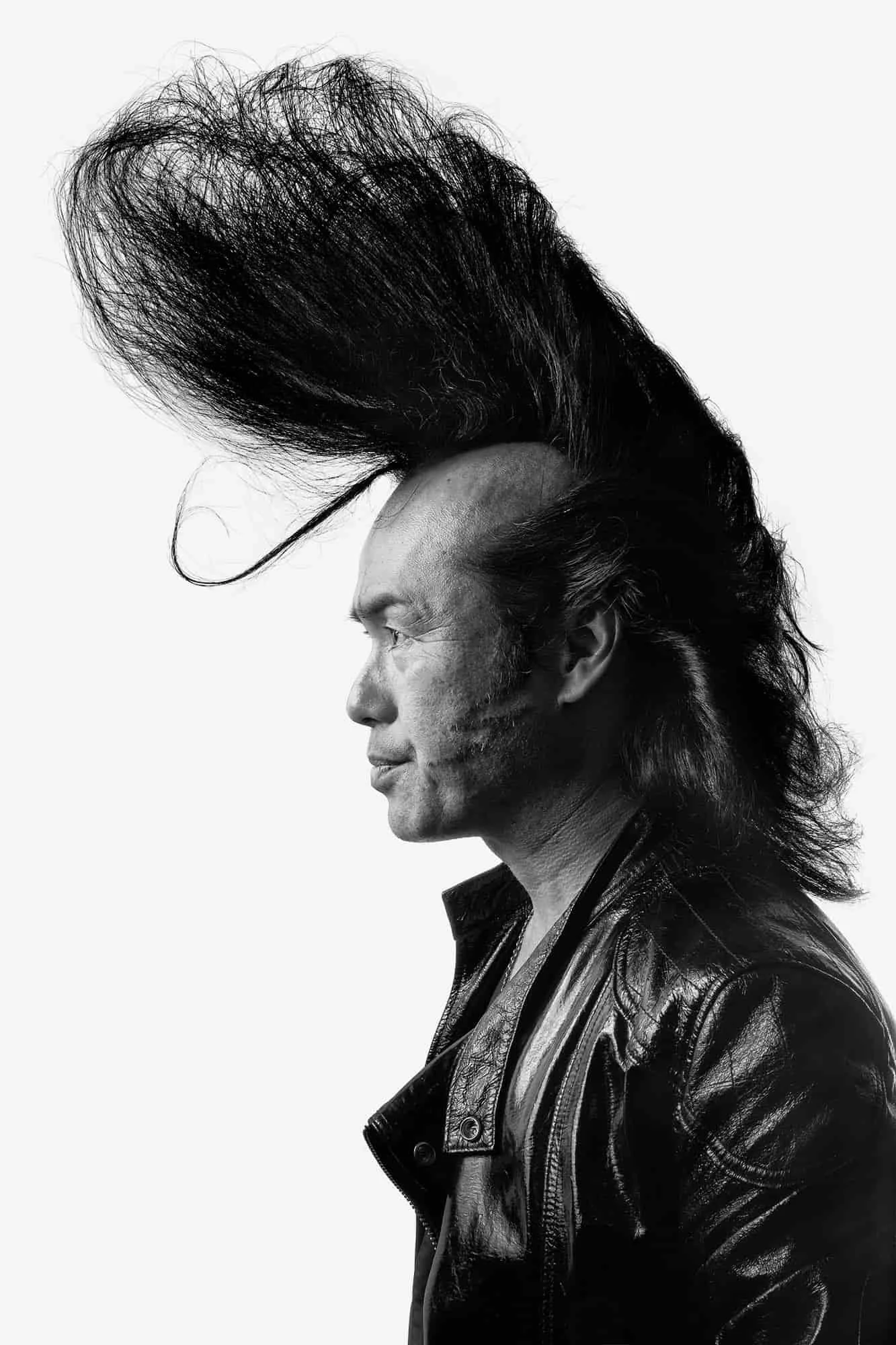
Zim of Black Shadow's towering pompadour.
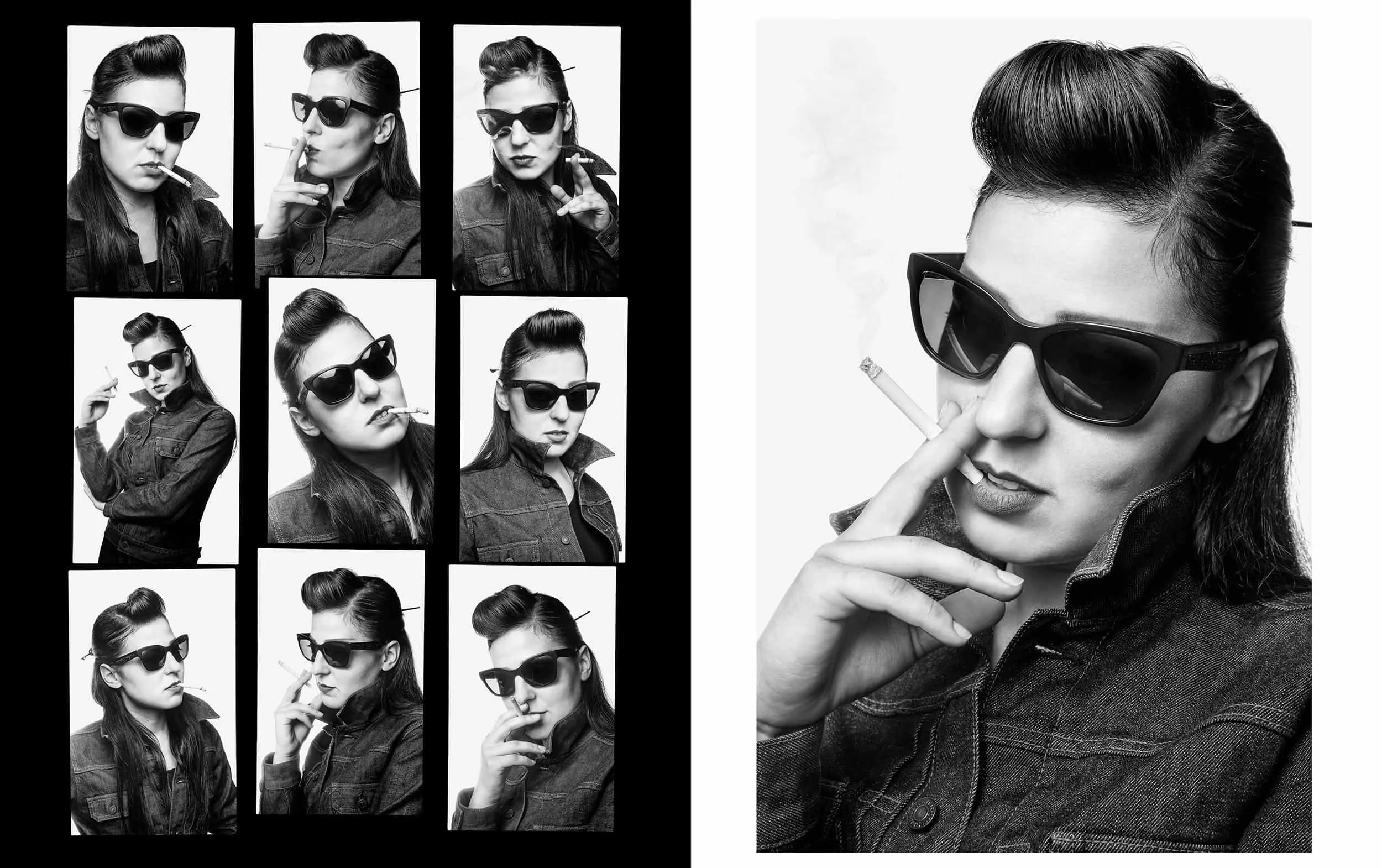
Roller girl with a cigerette
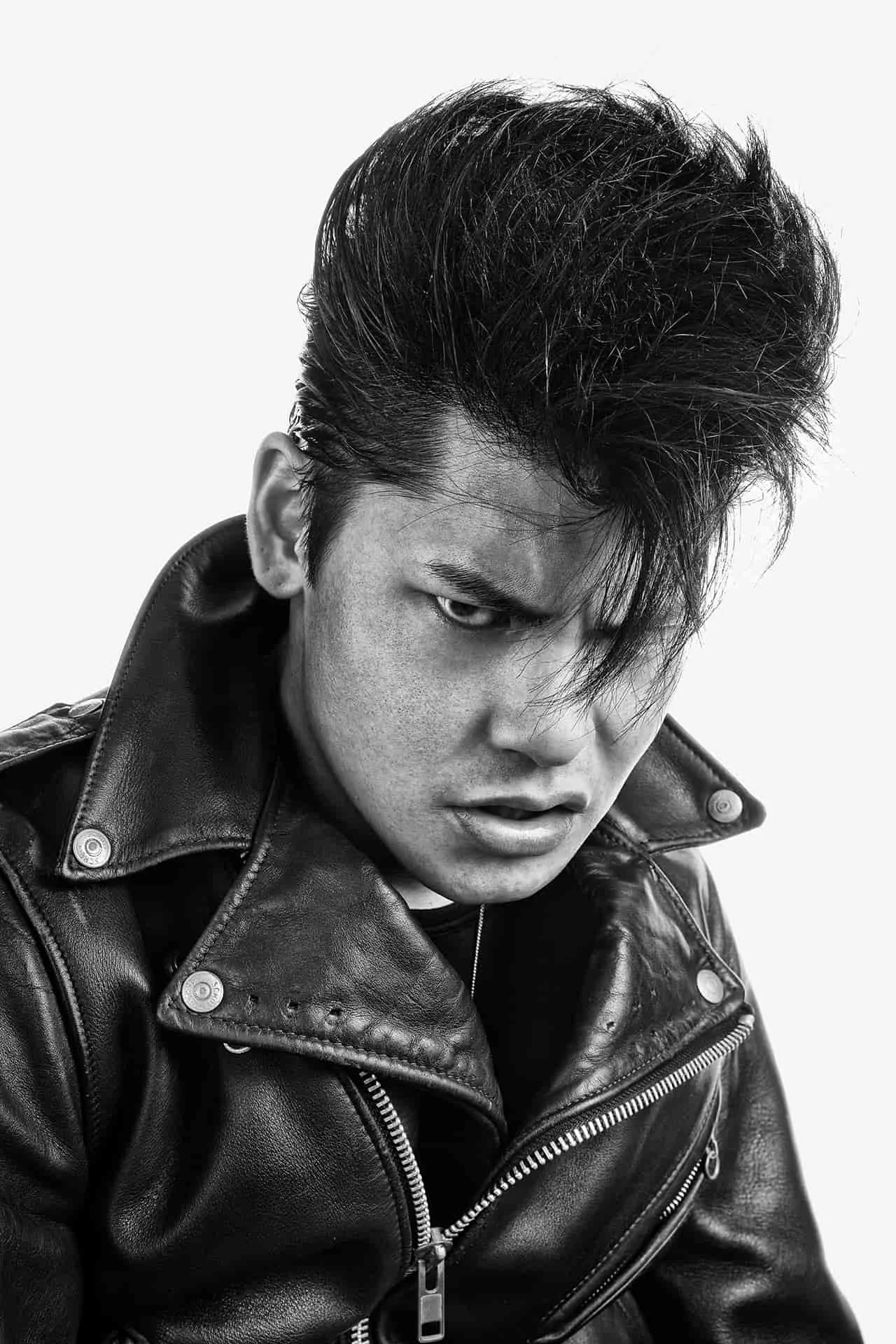
Roller Jimmy
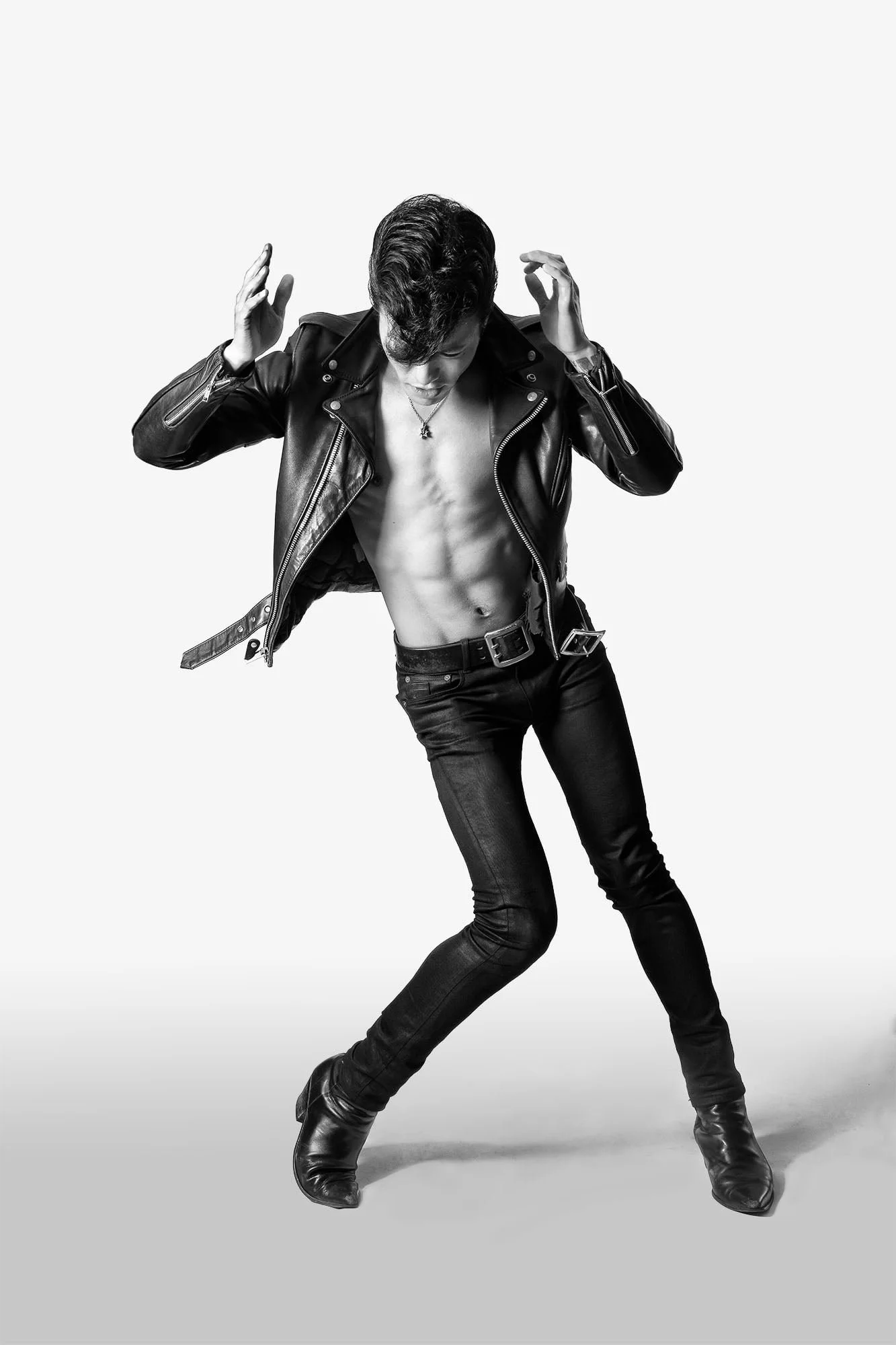
Johnny Daigo, Rollerzoku and frontman of the Japanese rockabilly band Johnny Pandora, dancing.
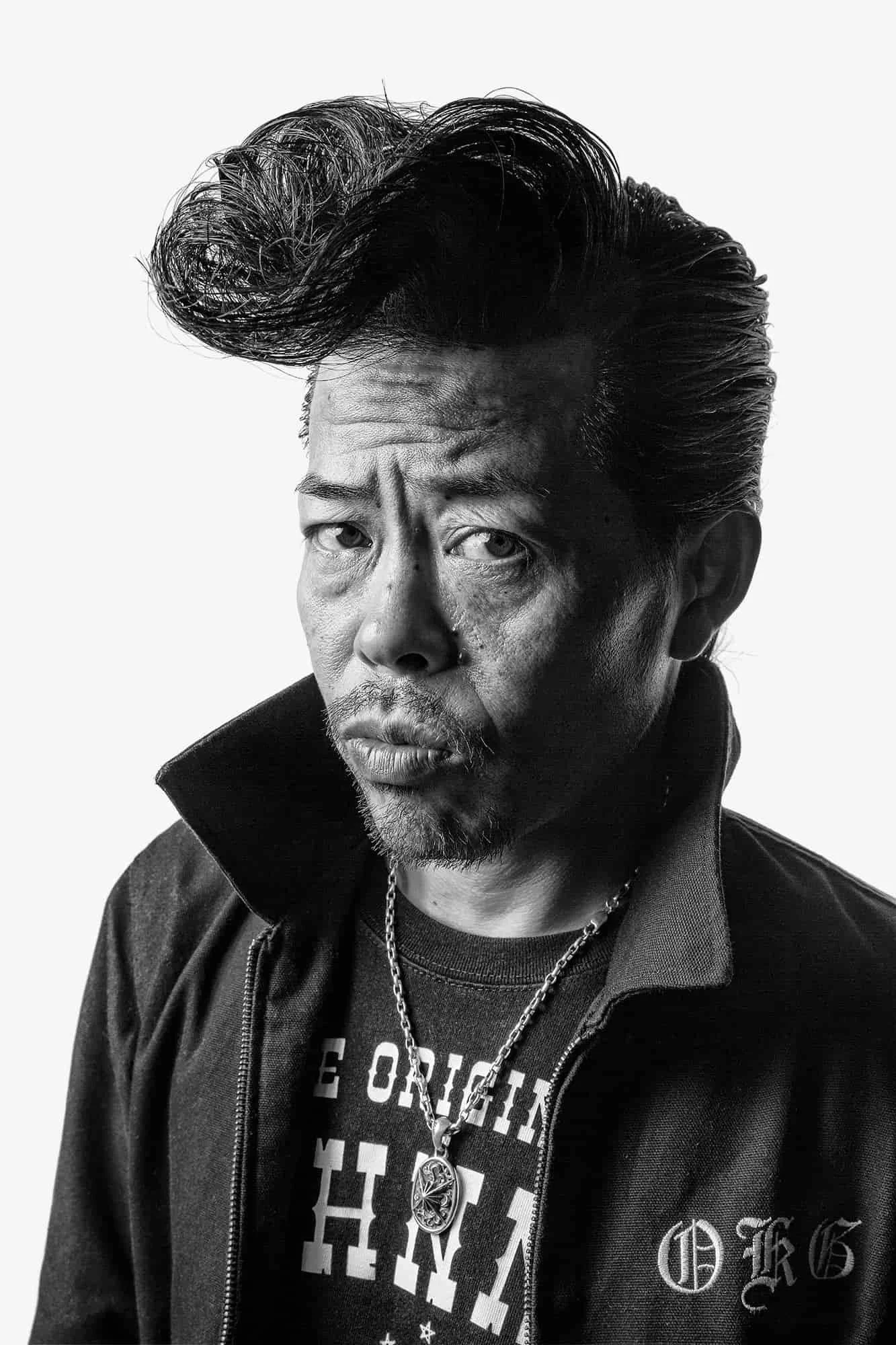
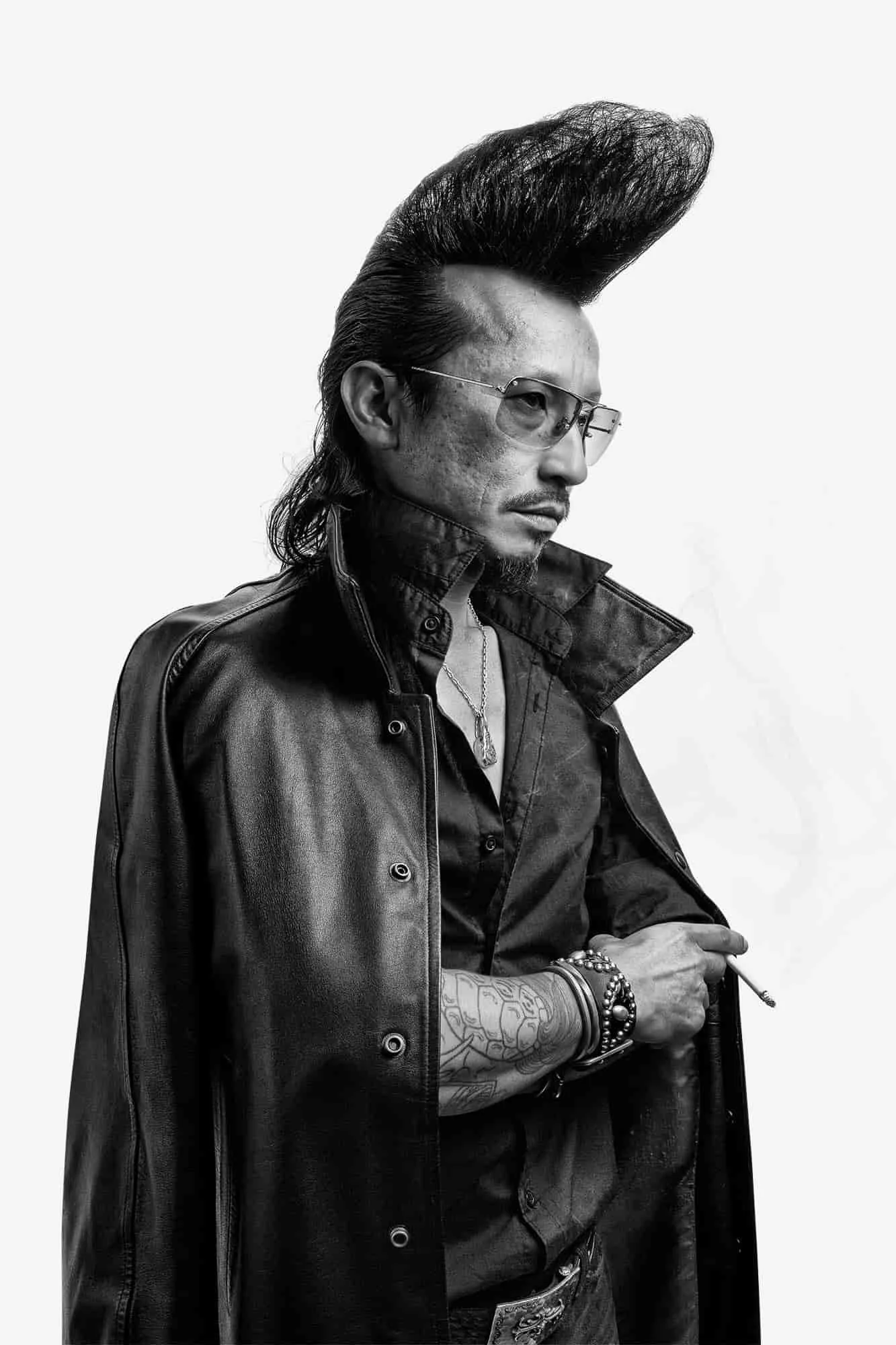
Akira from the Early Rollers in 2015.
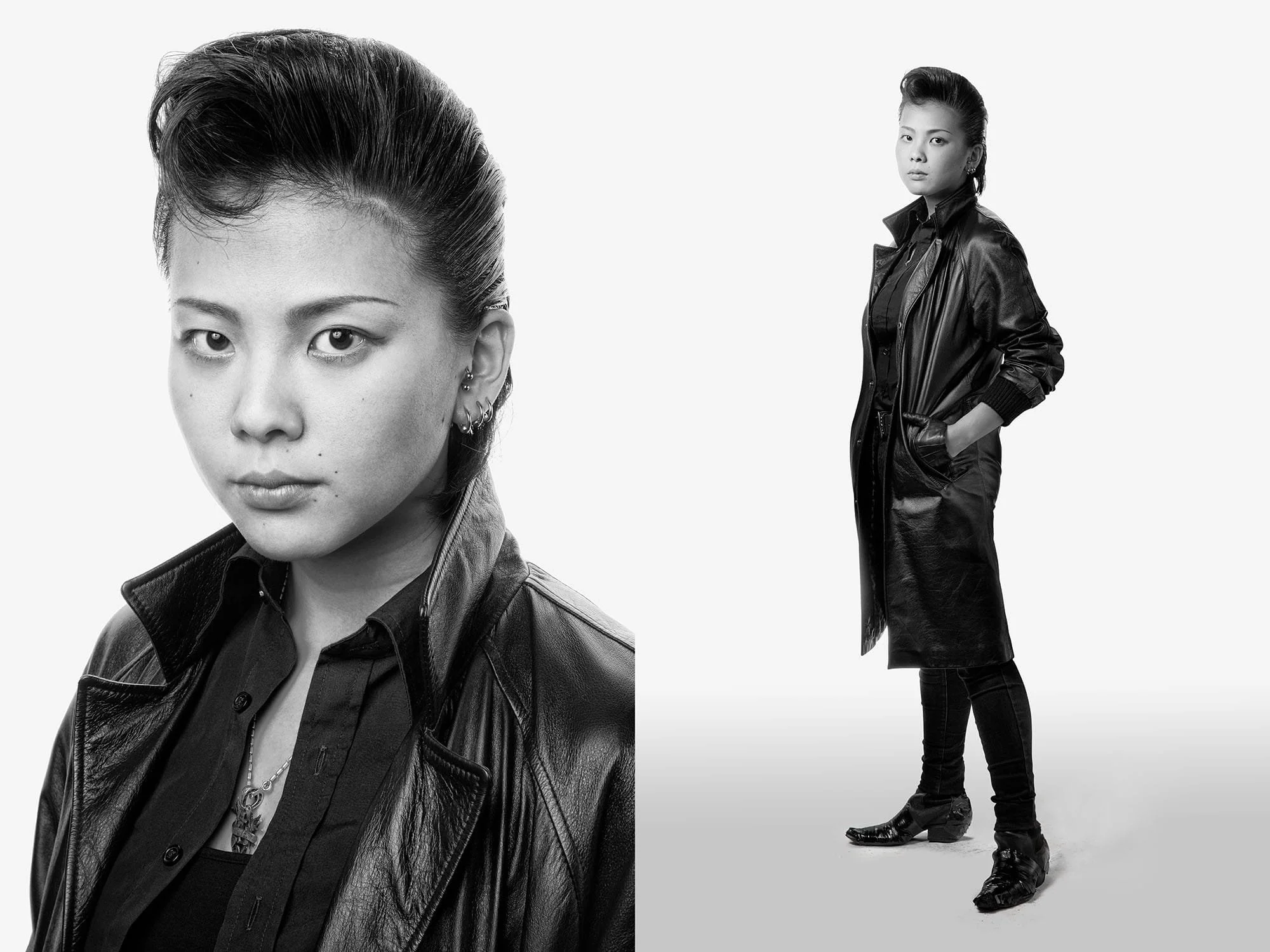
Roller girl member of the Early Rollers
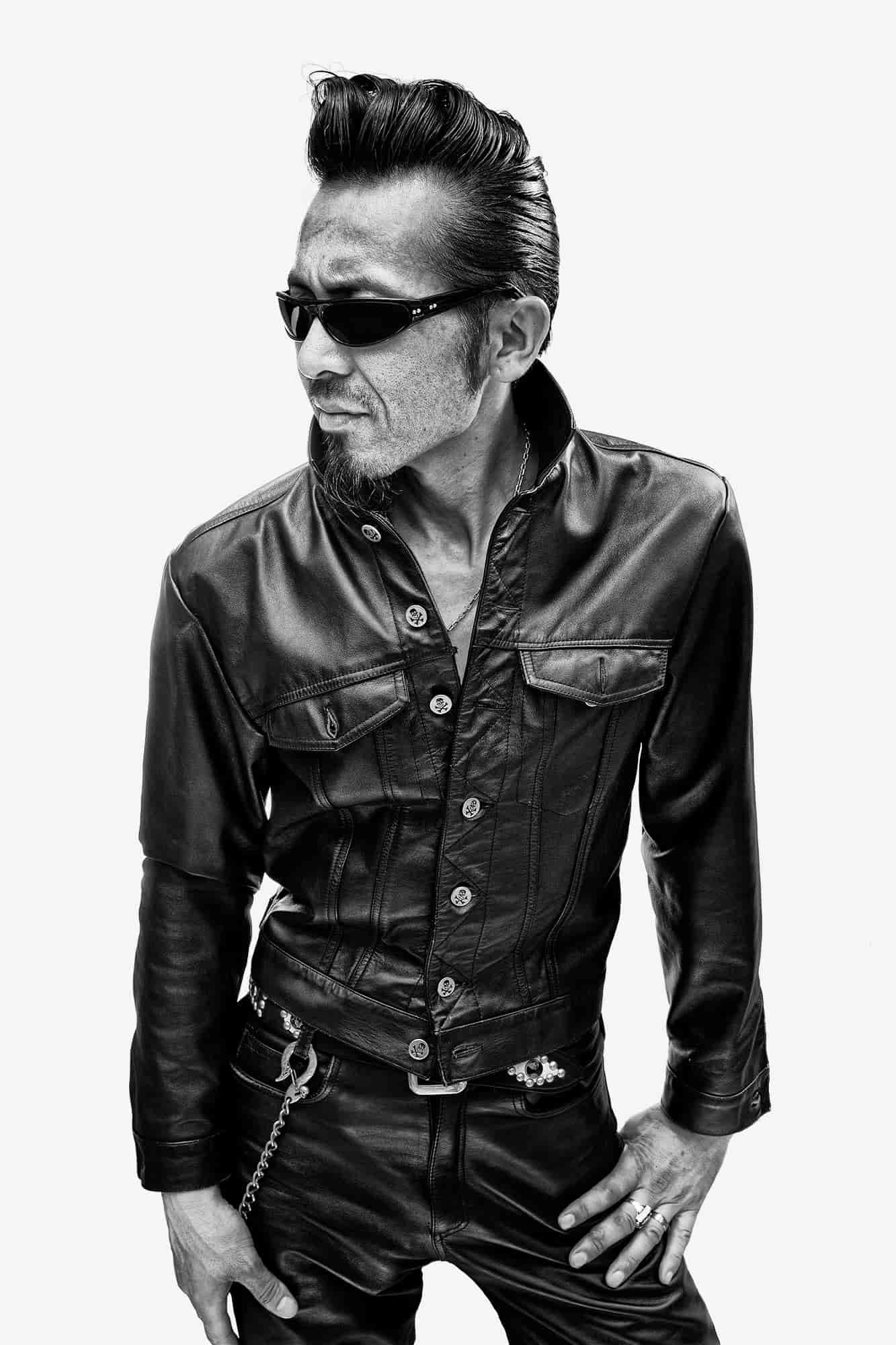
Elovis Sato, owner of Jumpin’ Jacks in Harajuku.
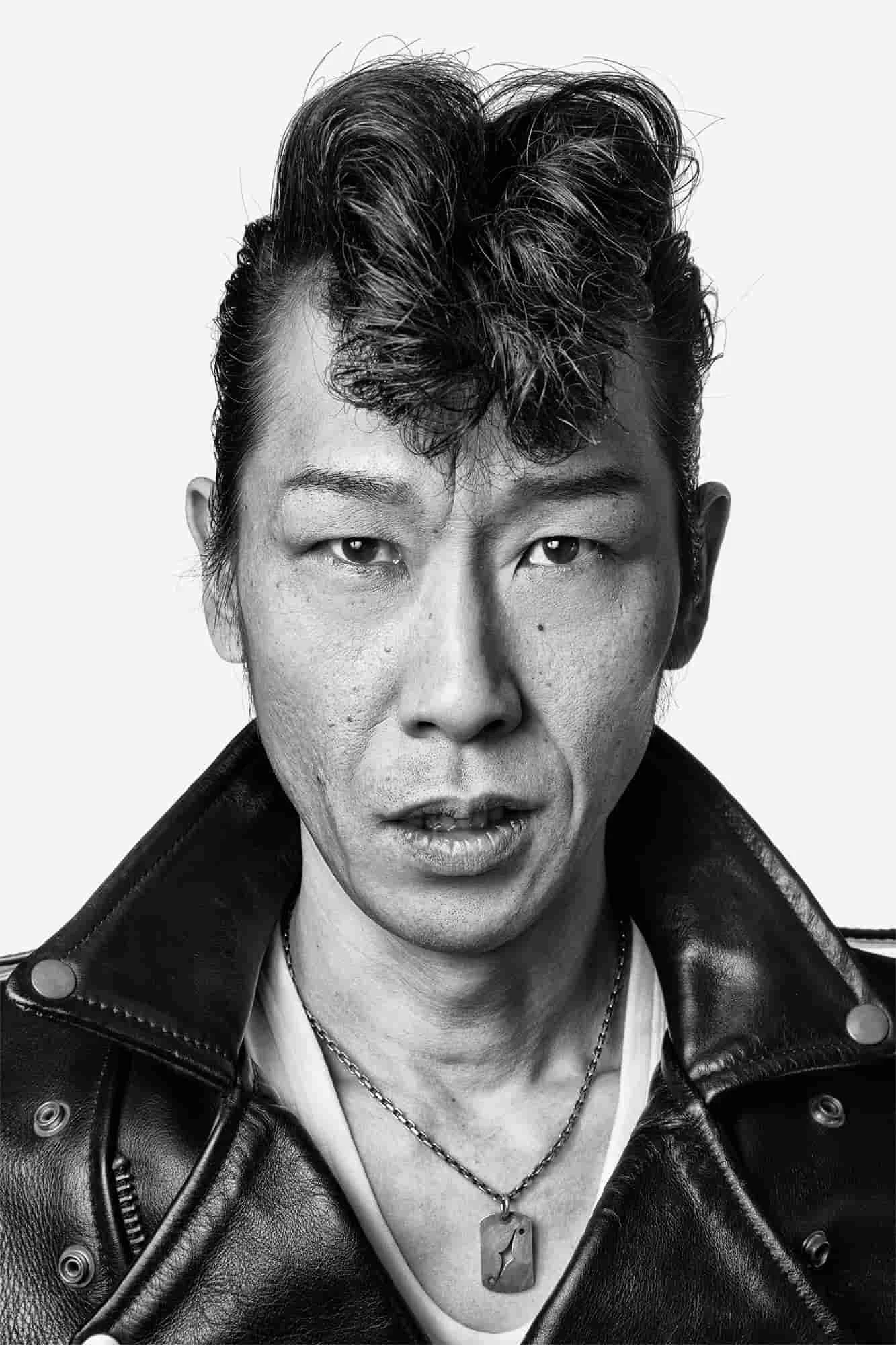
Portrait of Roller Tachi All Right
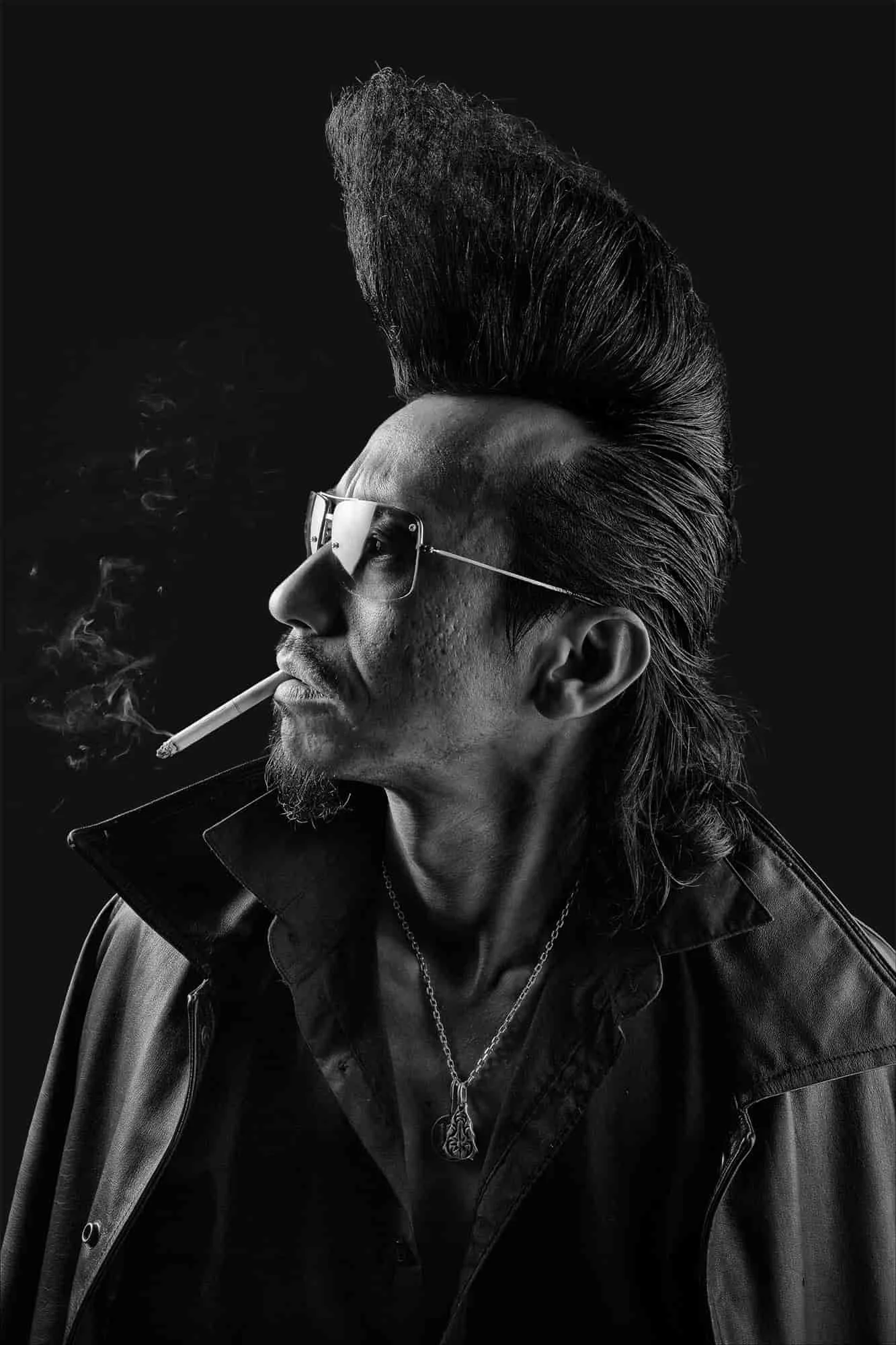
Akira of the Early Rollers smoking in 2015.
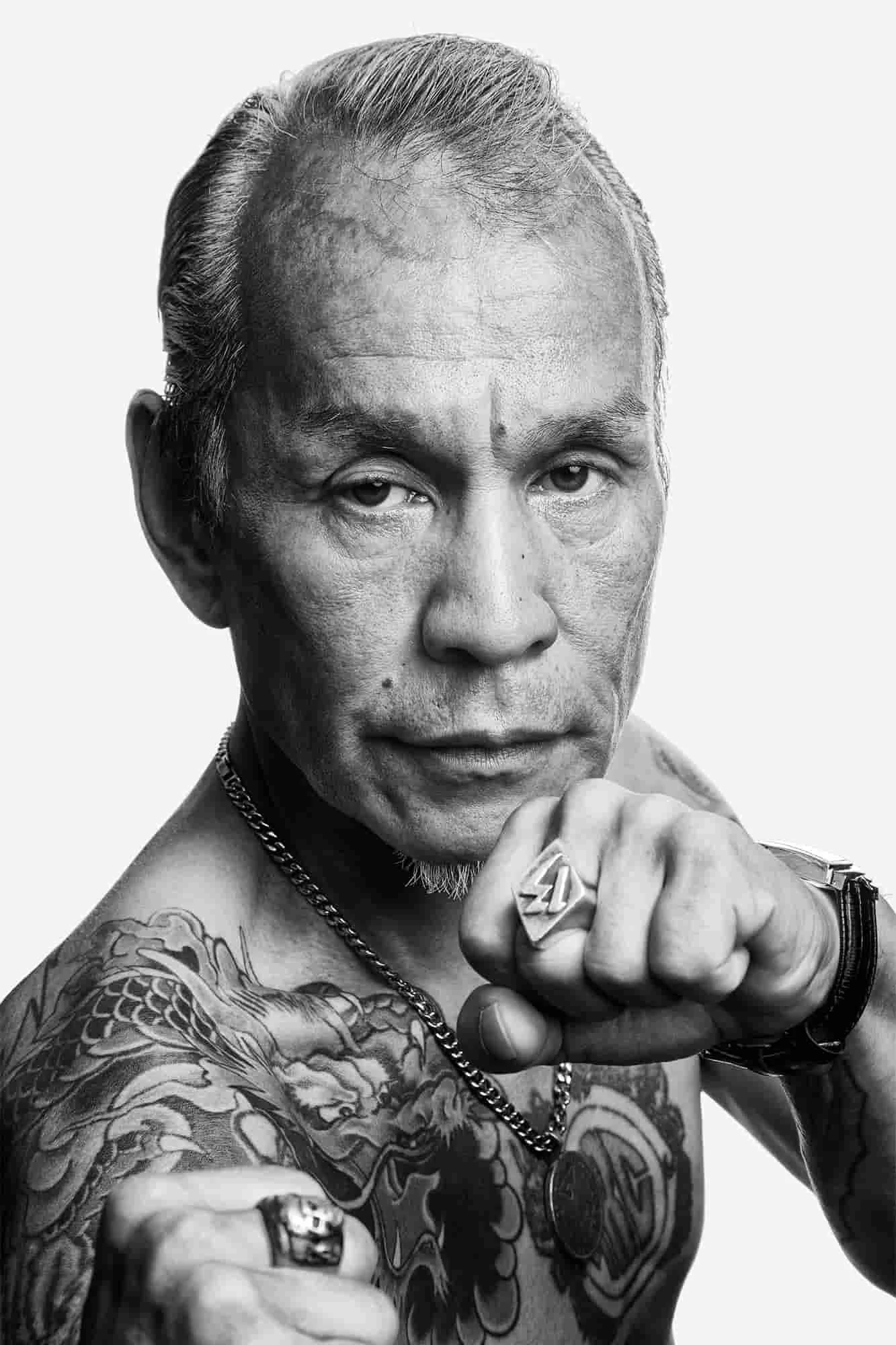
Boss Jess of Tokyo's Yoyogi Park based "Strangers".
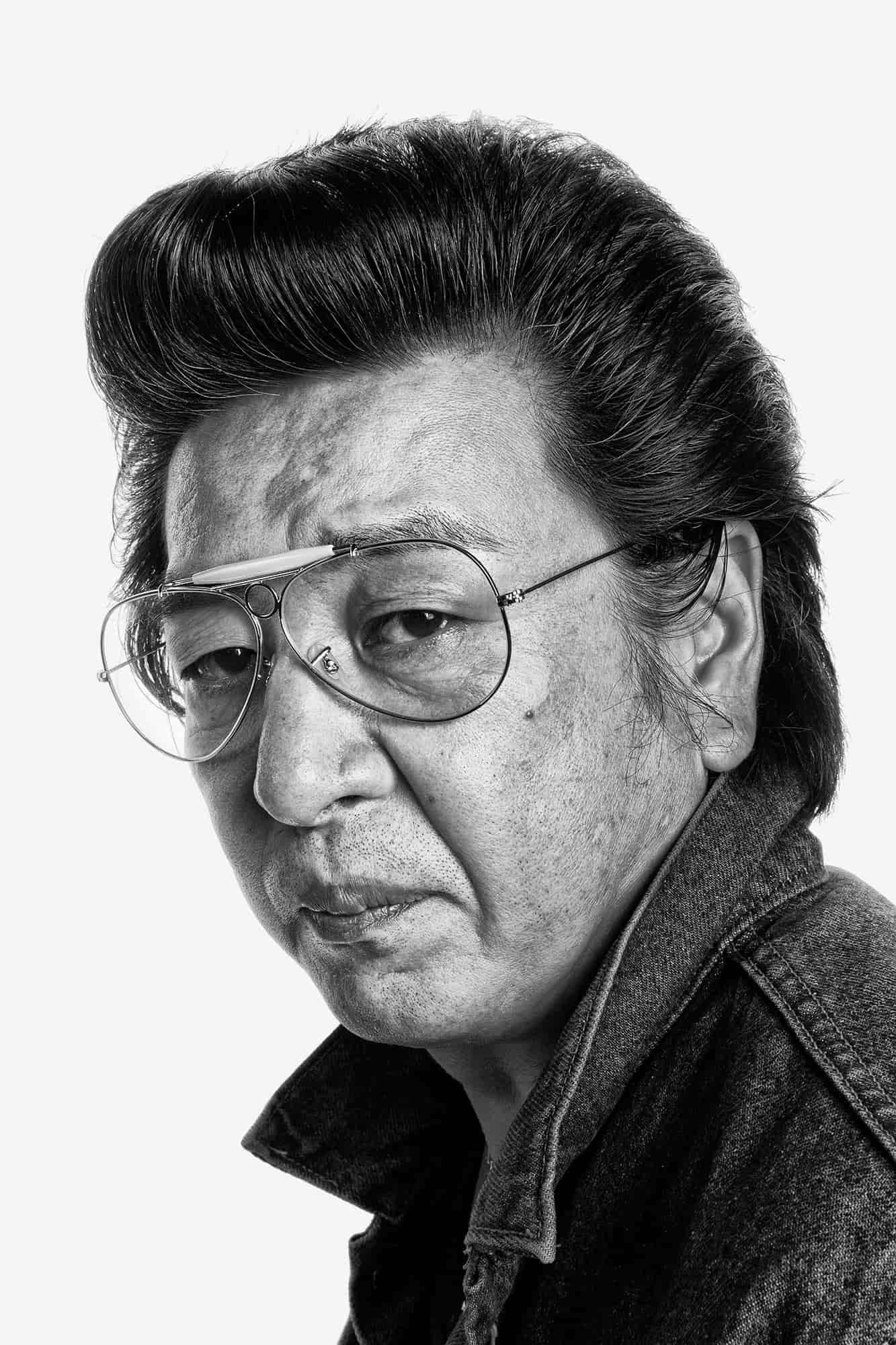
Portait of Strangers Member in Tokyo
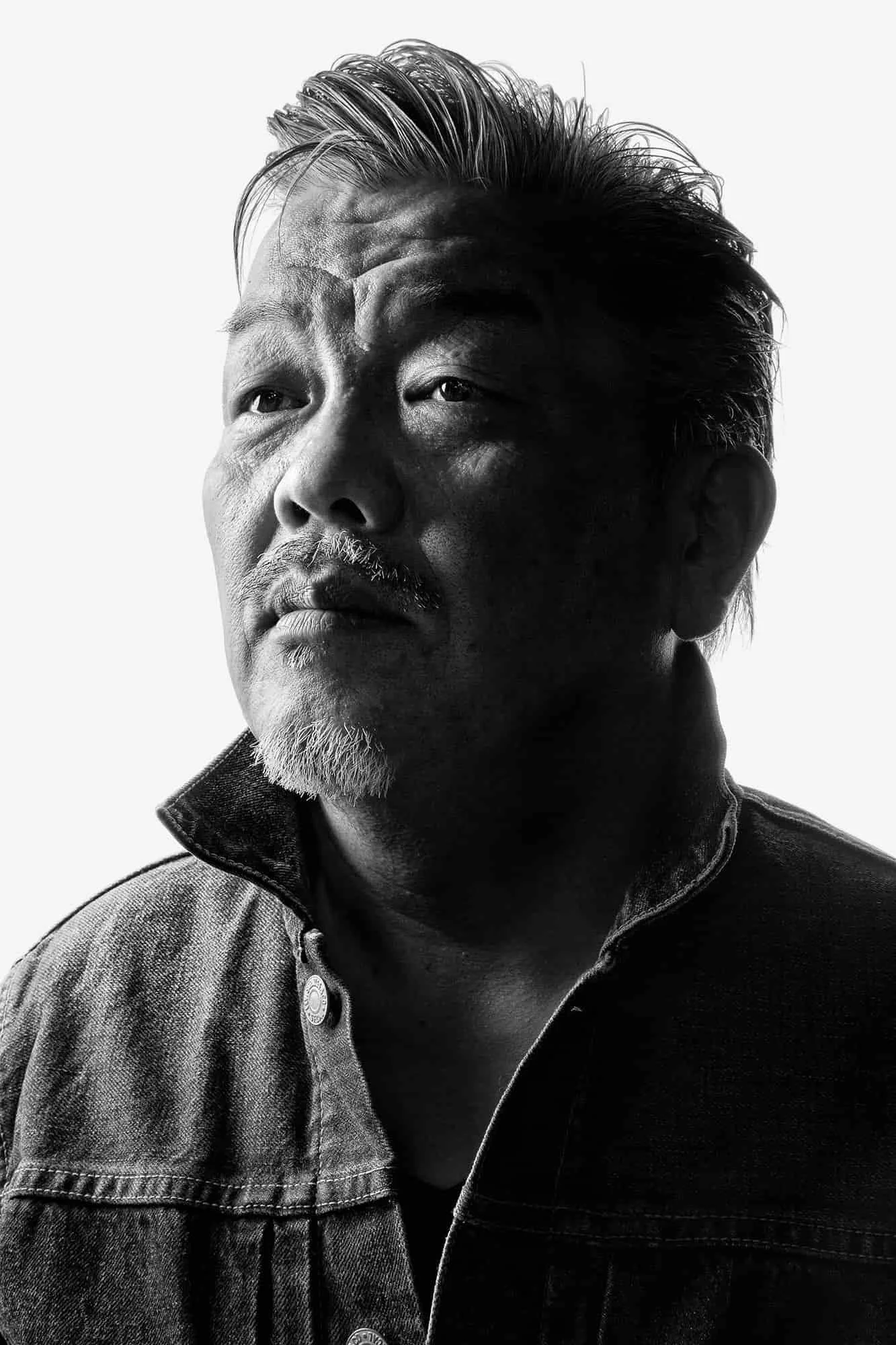
Portrait of Charlly, the Leader of the Strangers
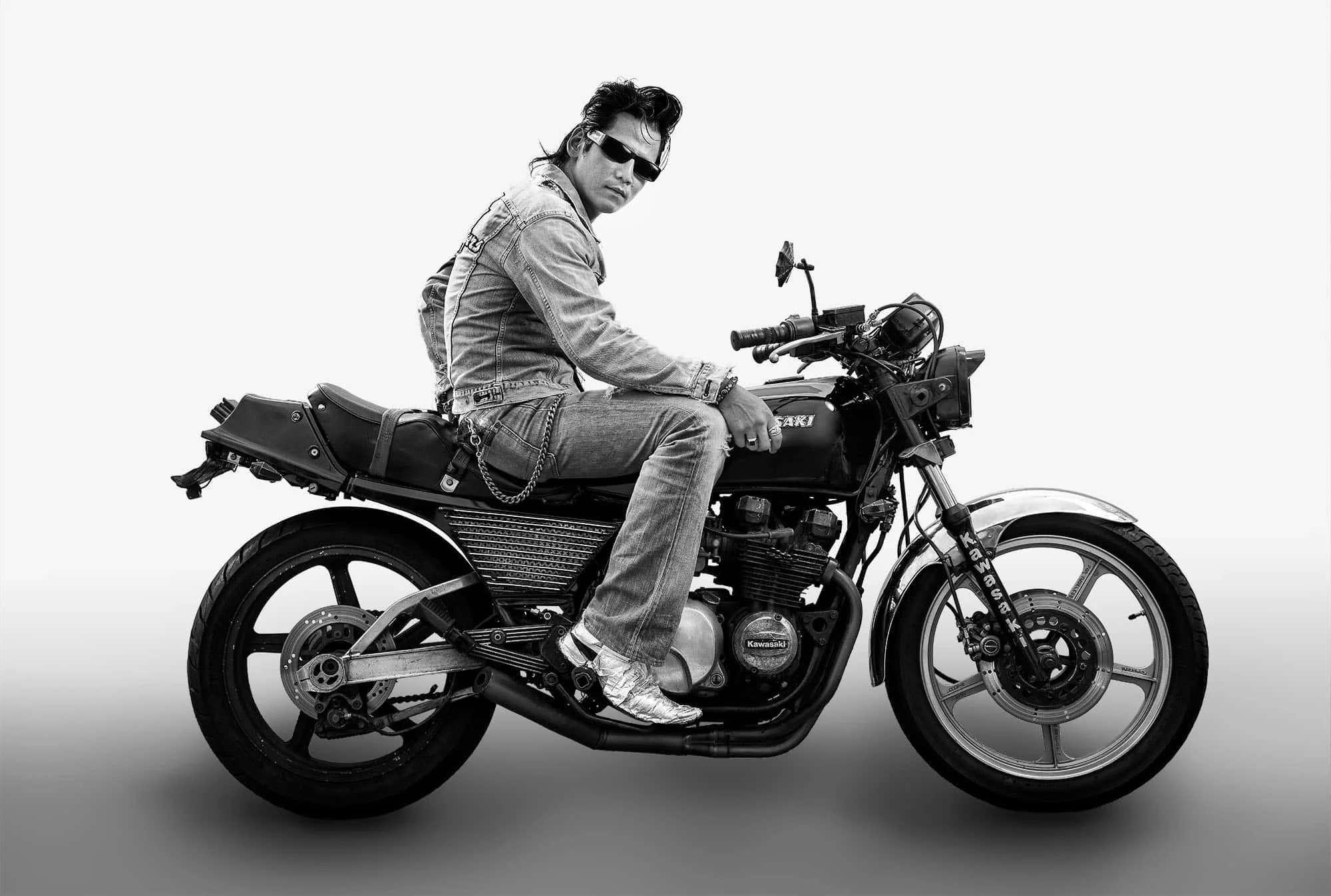
Rollerzoku on a Kawasaki Motorcyle
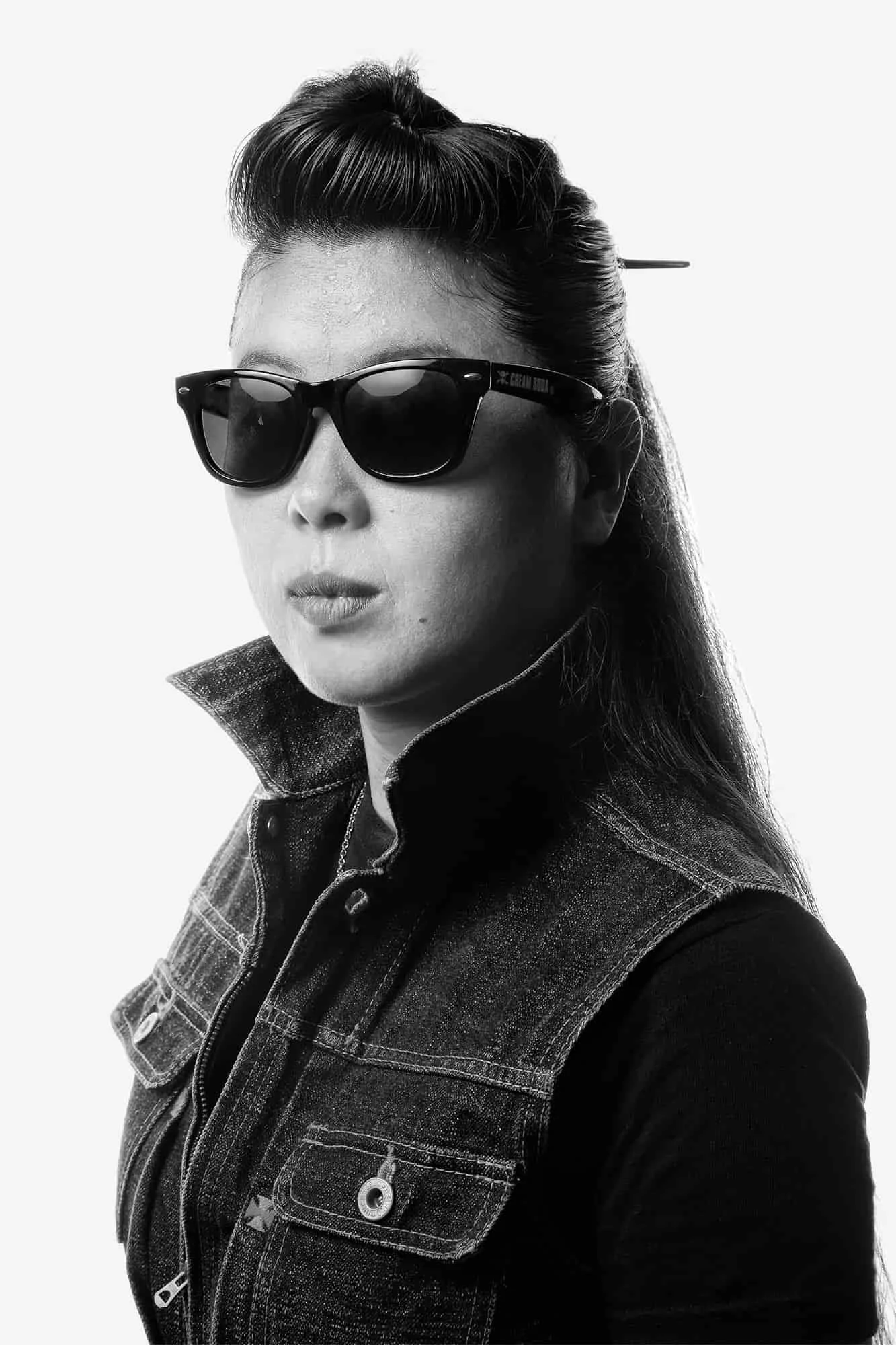
Roller-zoku girl Sho
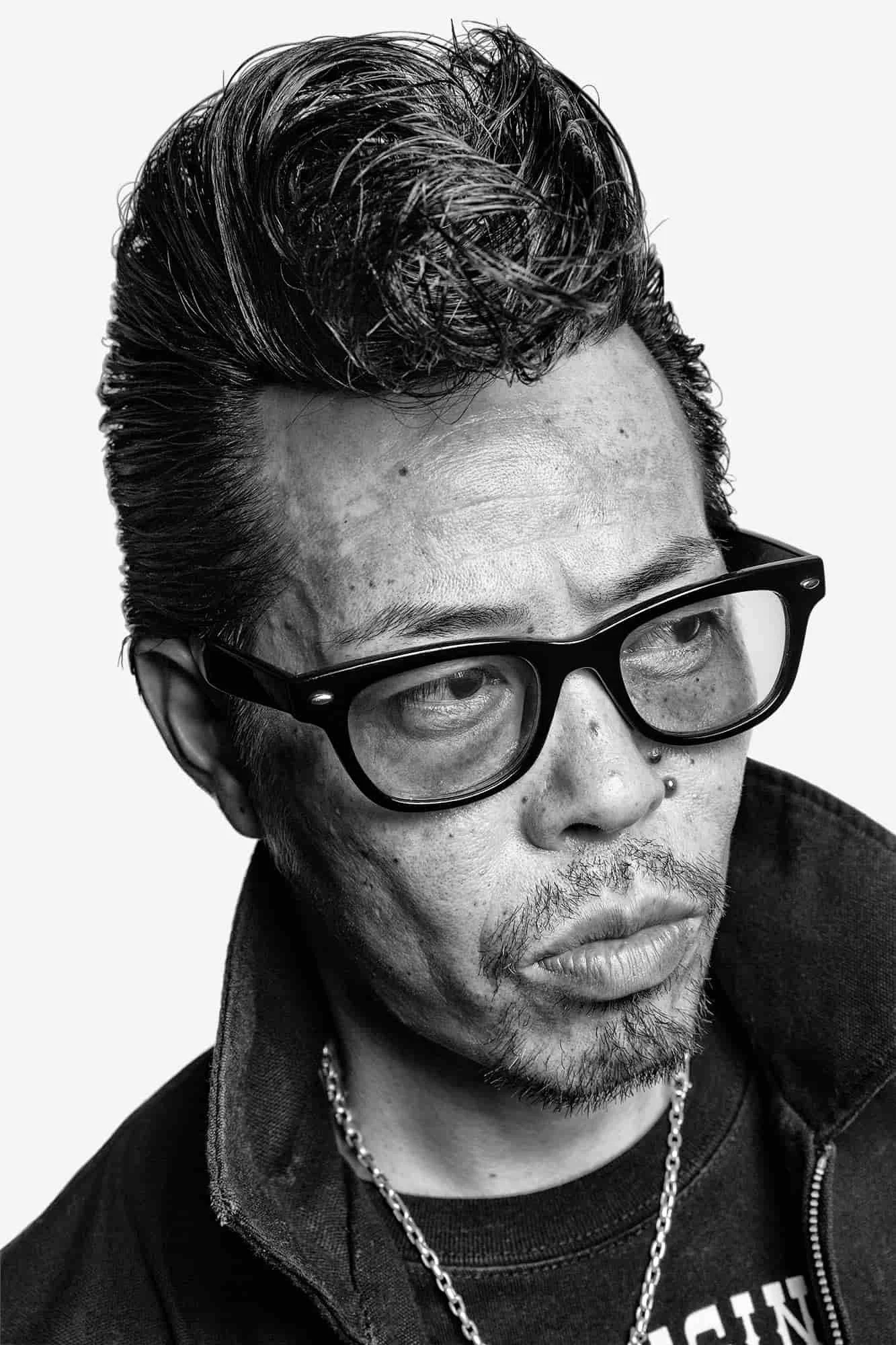
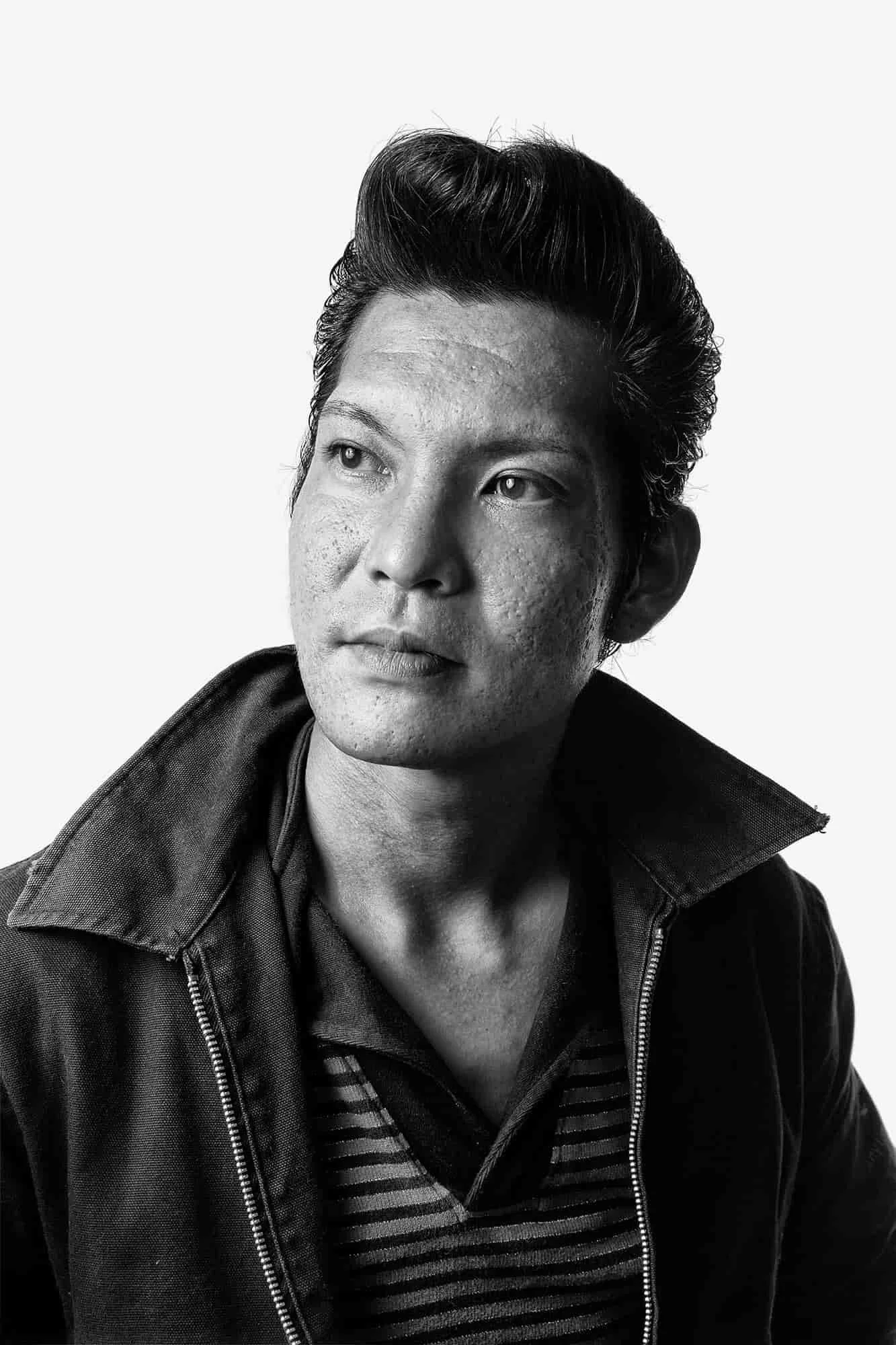
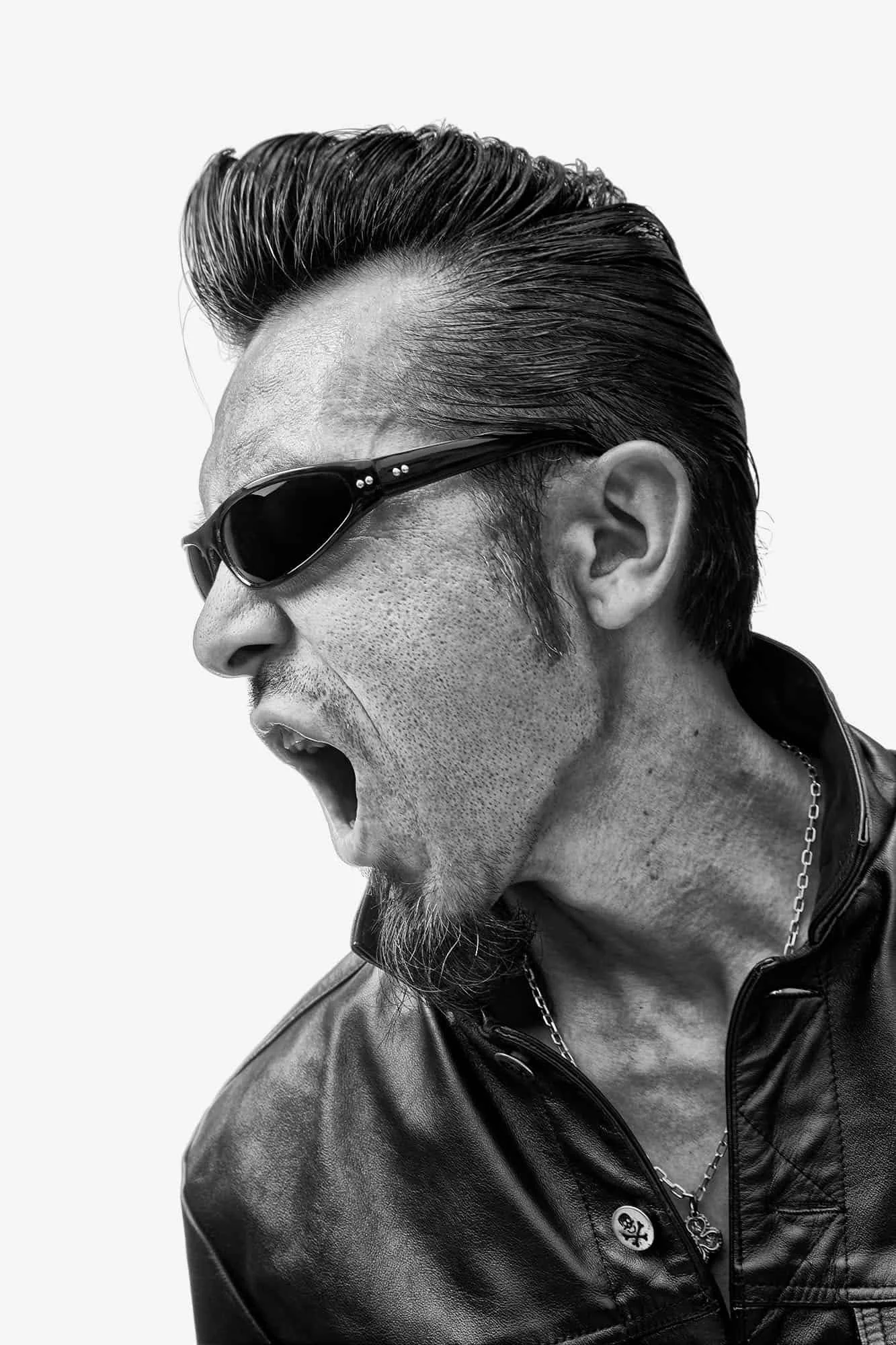
Elovis Sato photographed in Harajuku.
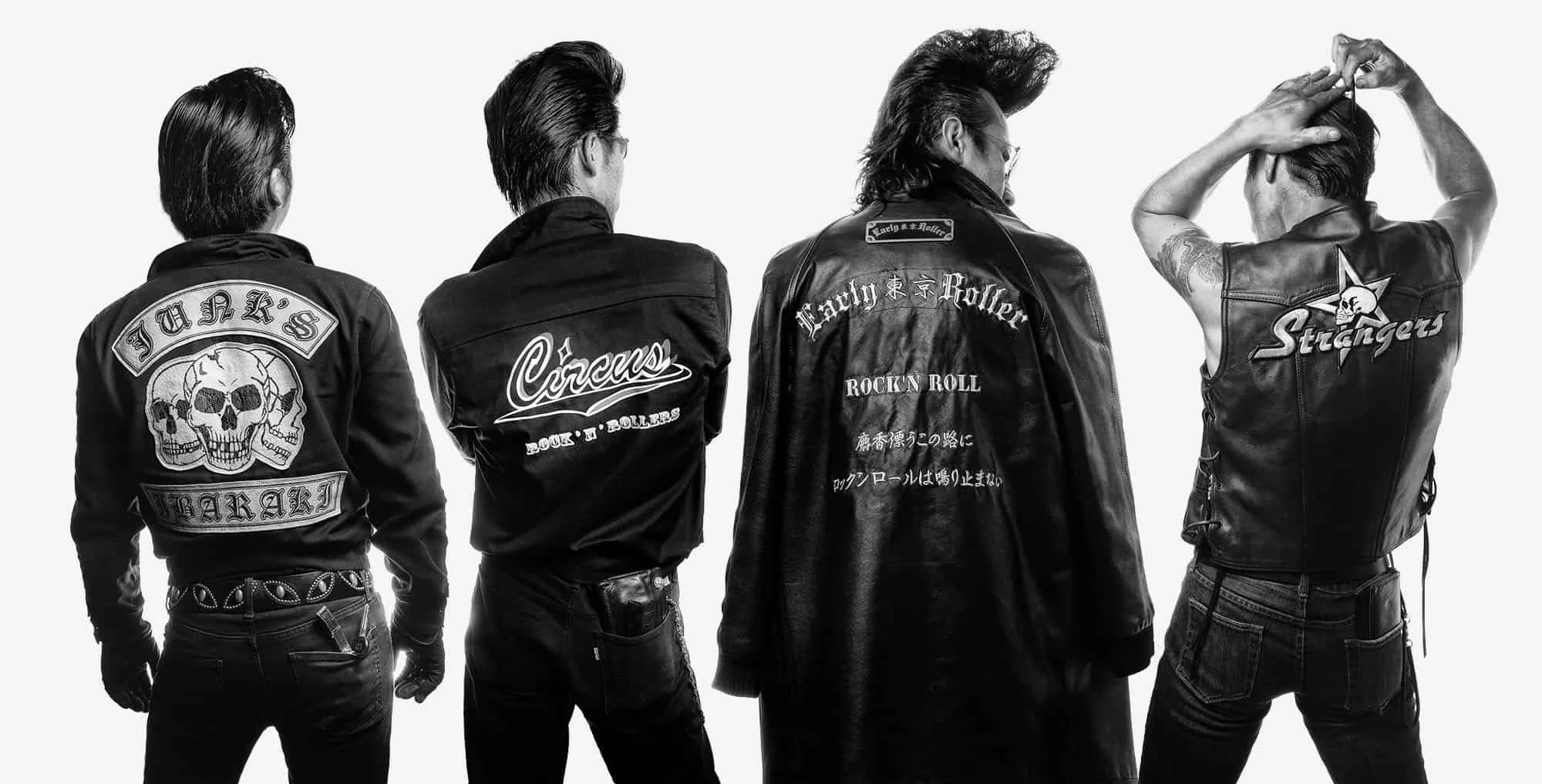
Four Rollers showing off their Jacket backs
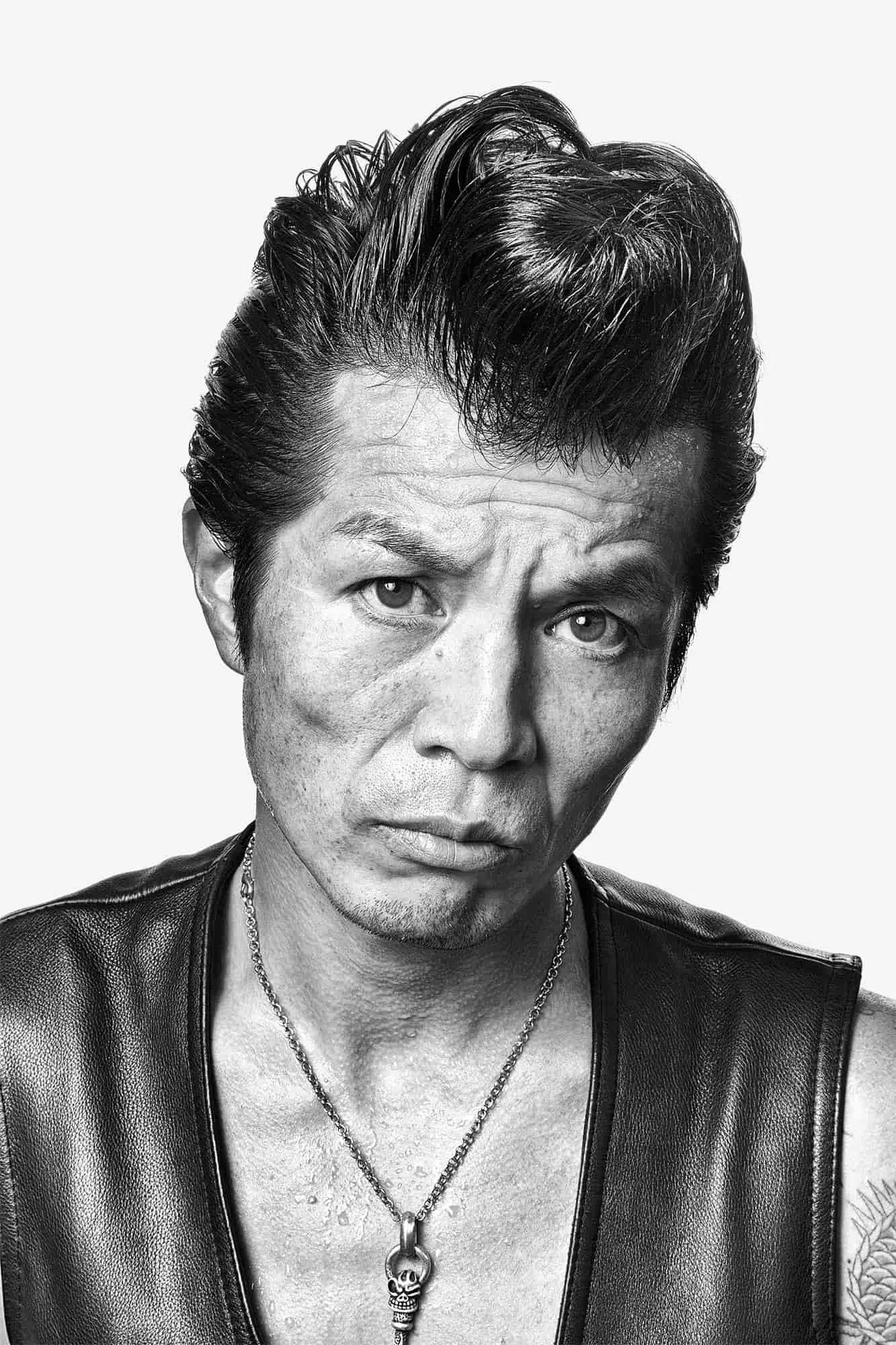
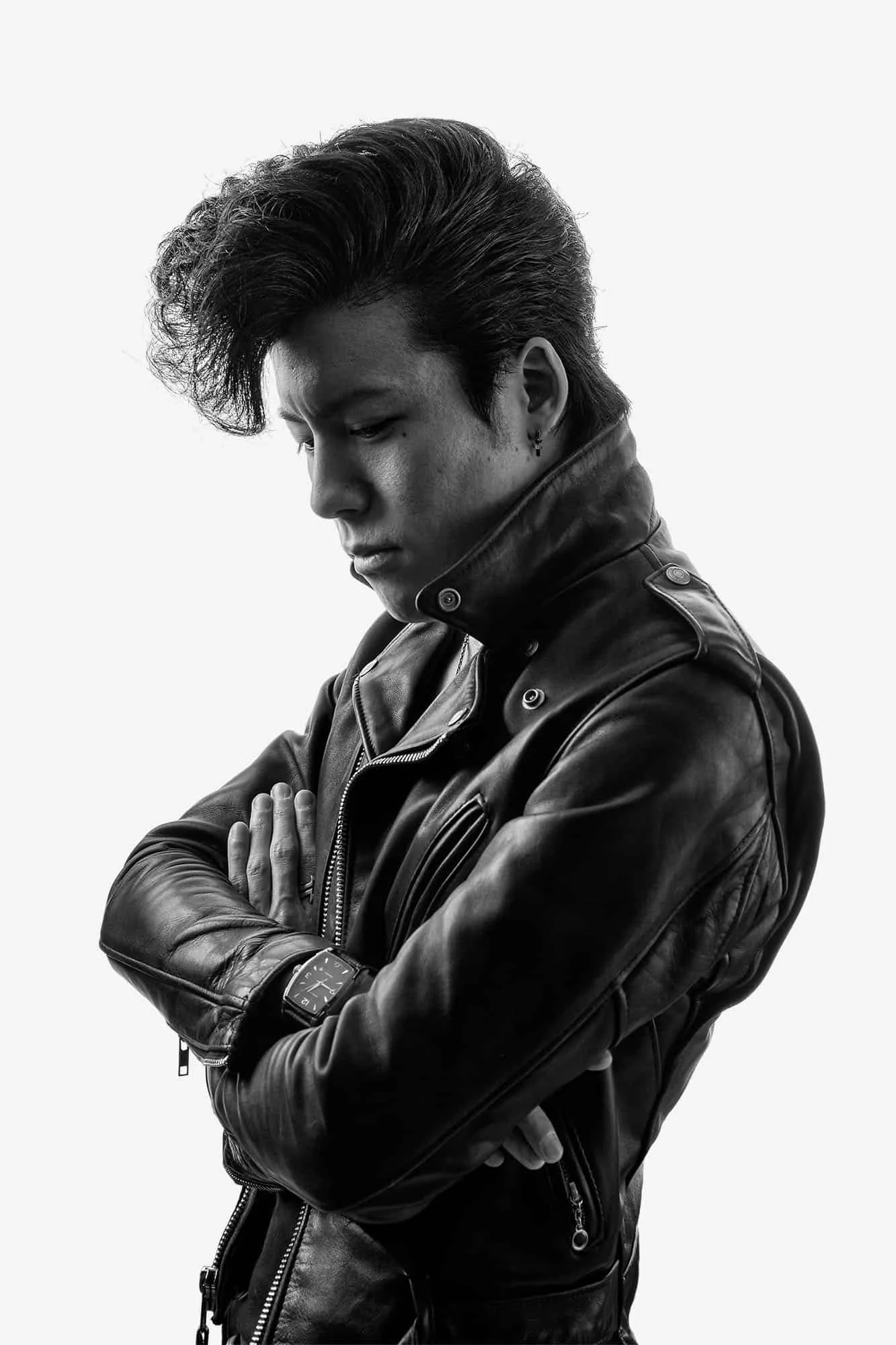
Johnny Daigo, of the Japanese rockabilly band Johnny Pandora.
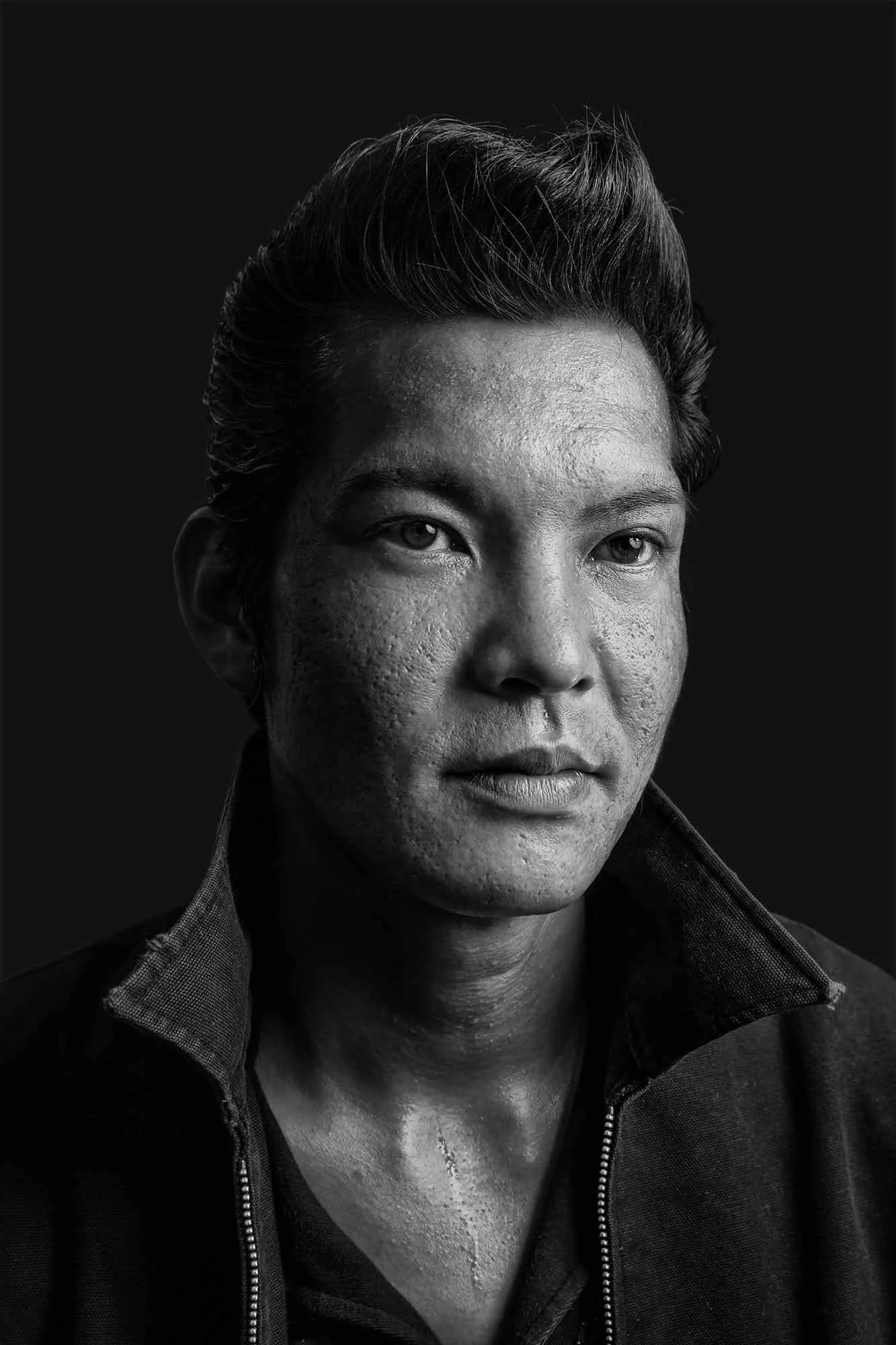
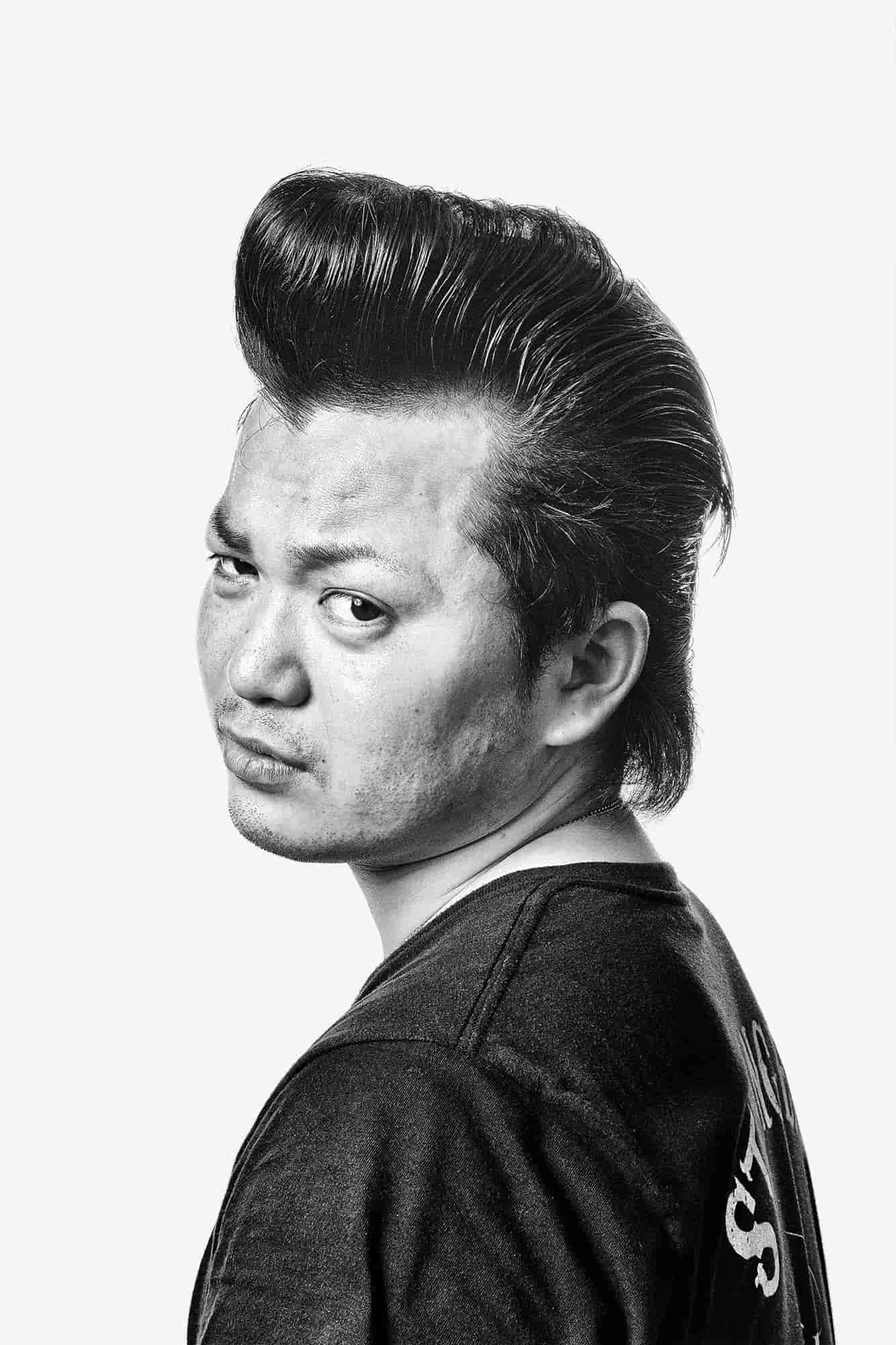
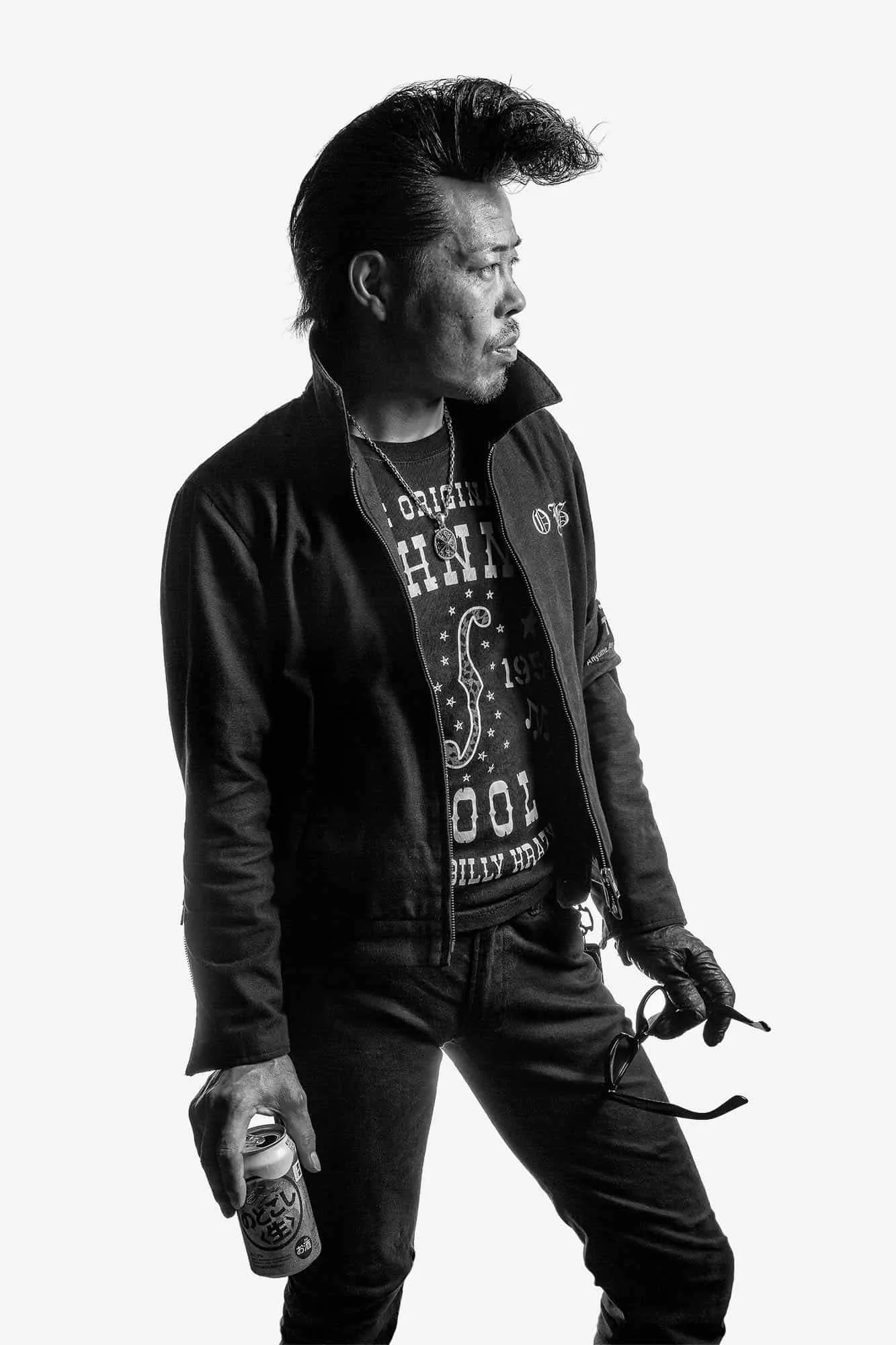
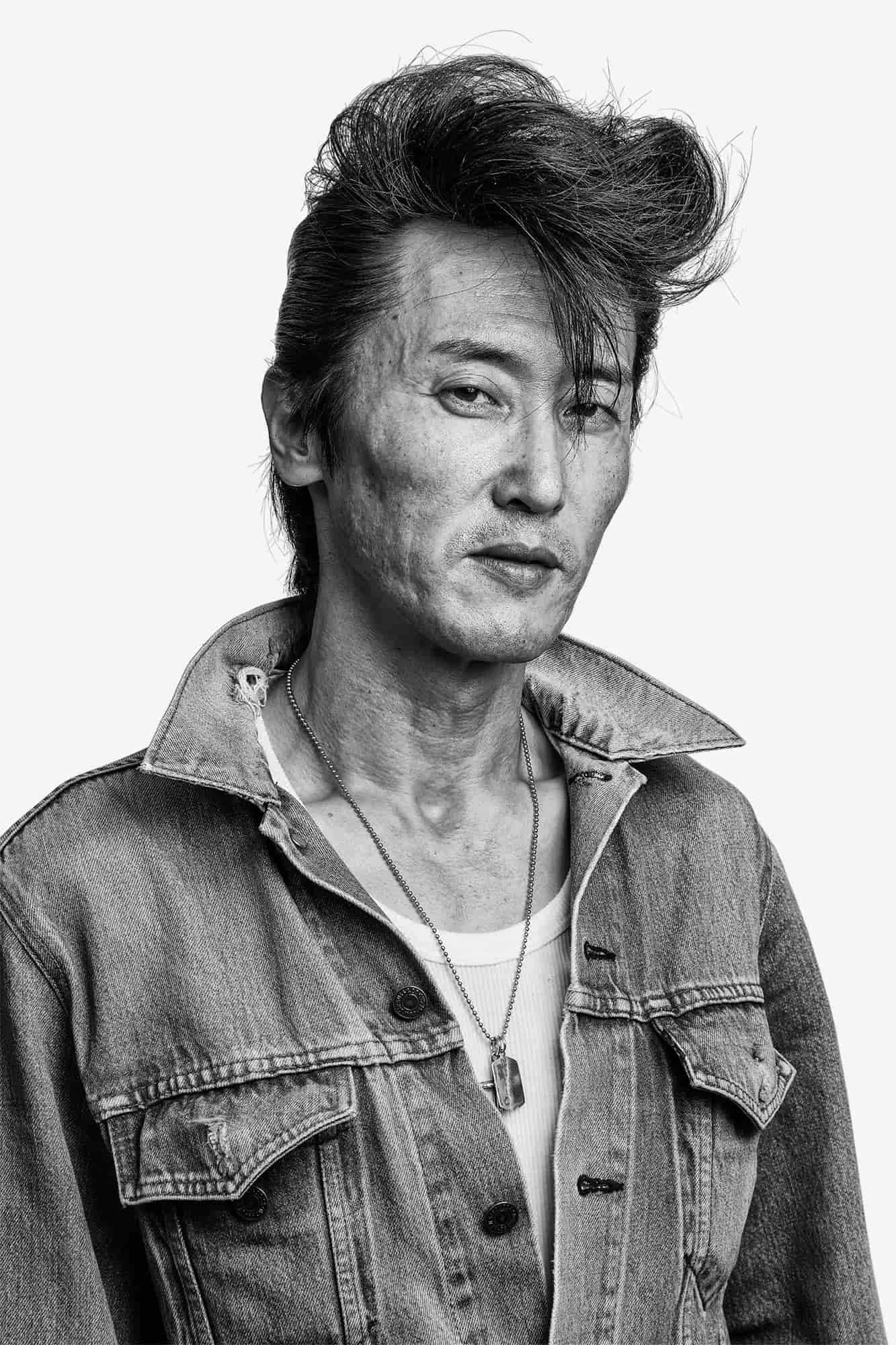
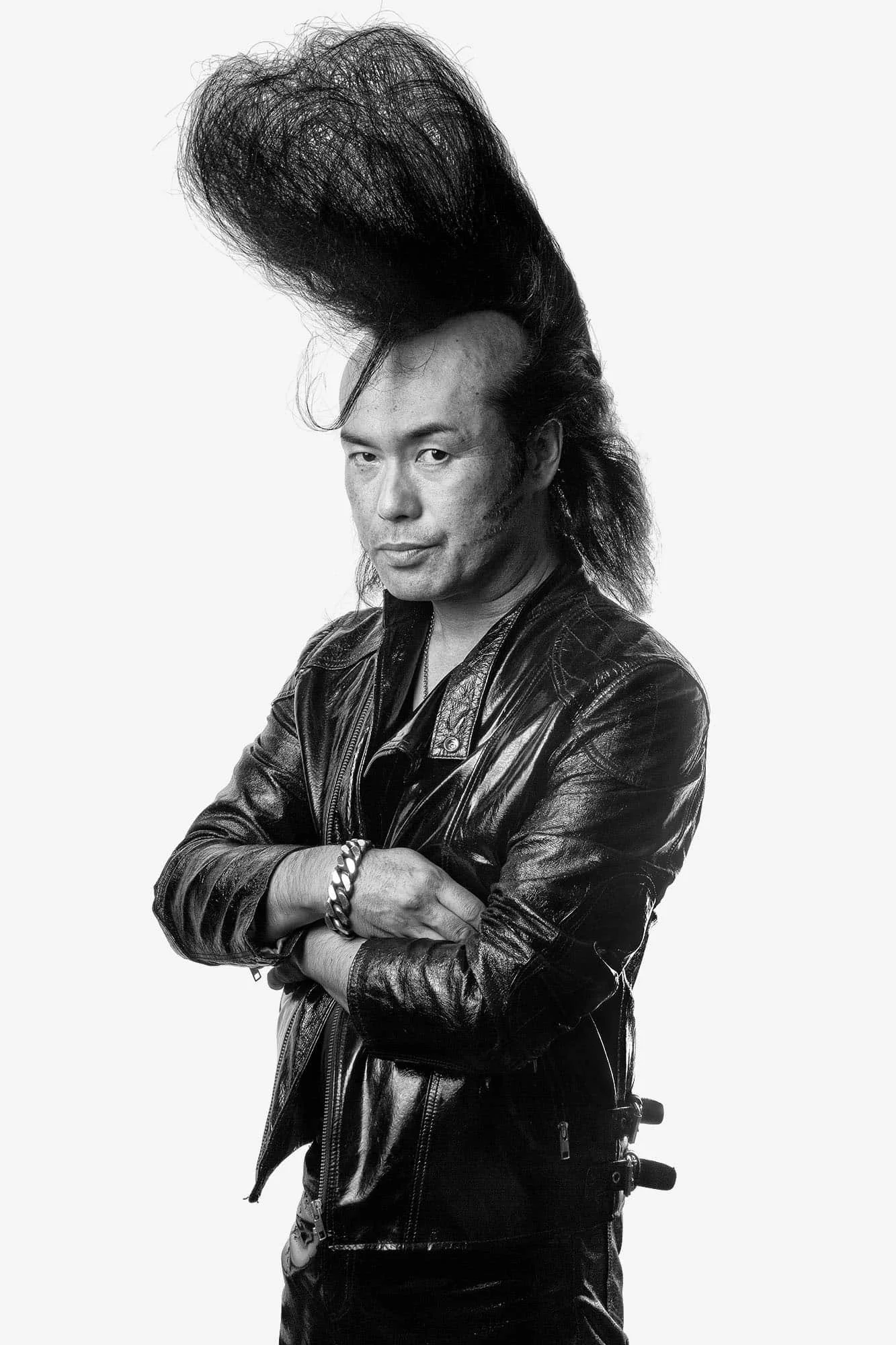
Zim of Black Shadow
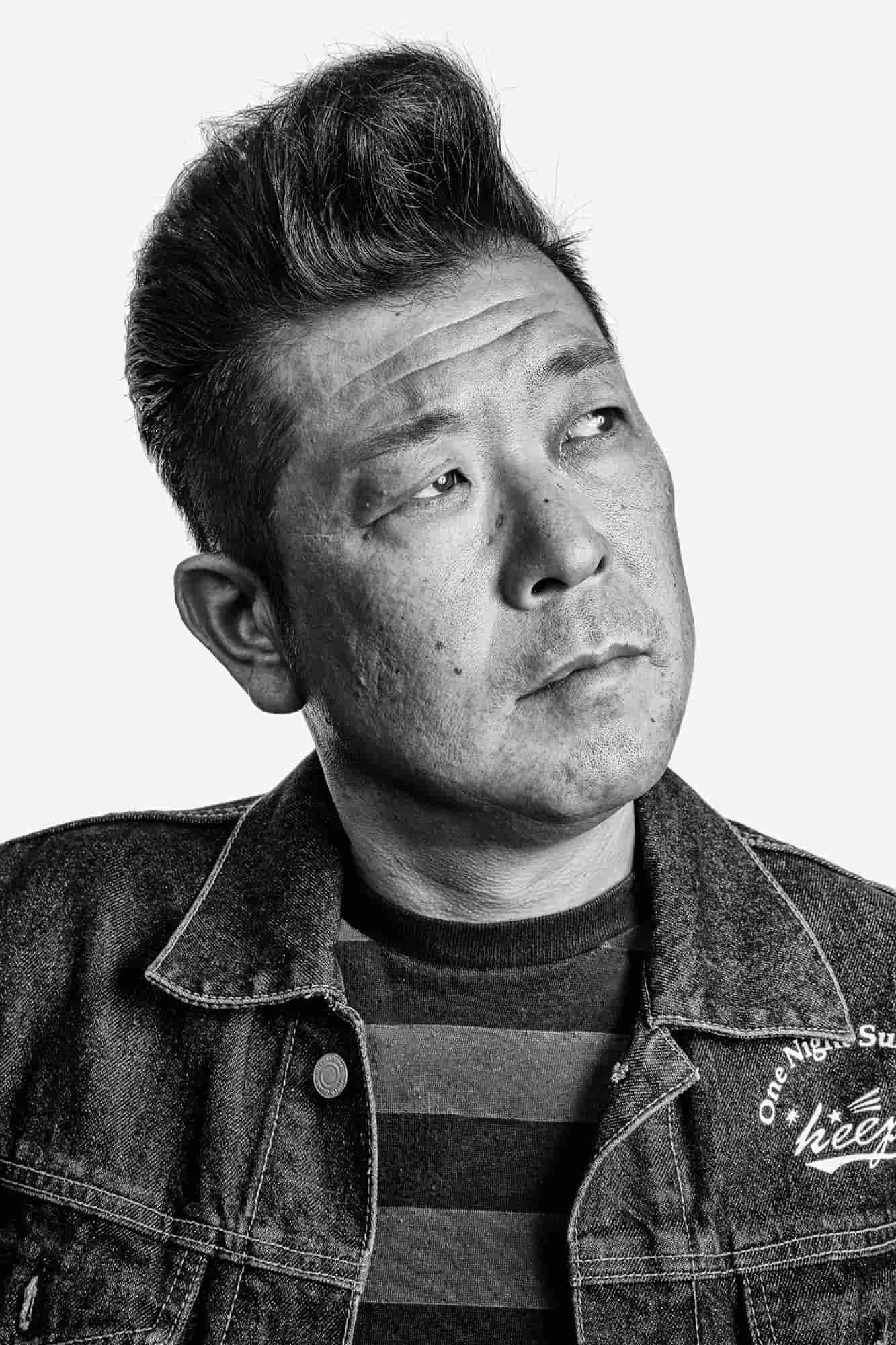
Leader of the Keep
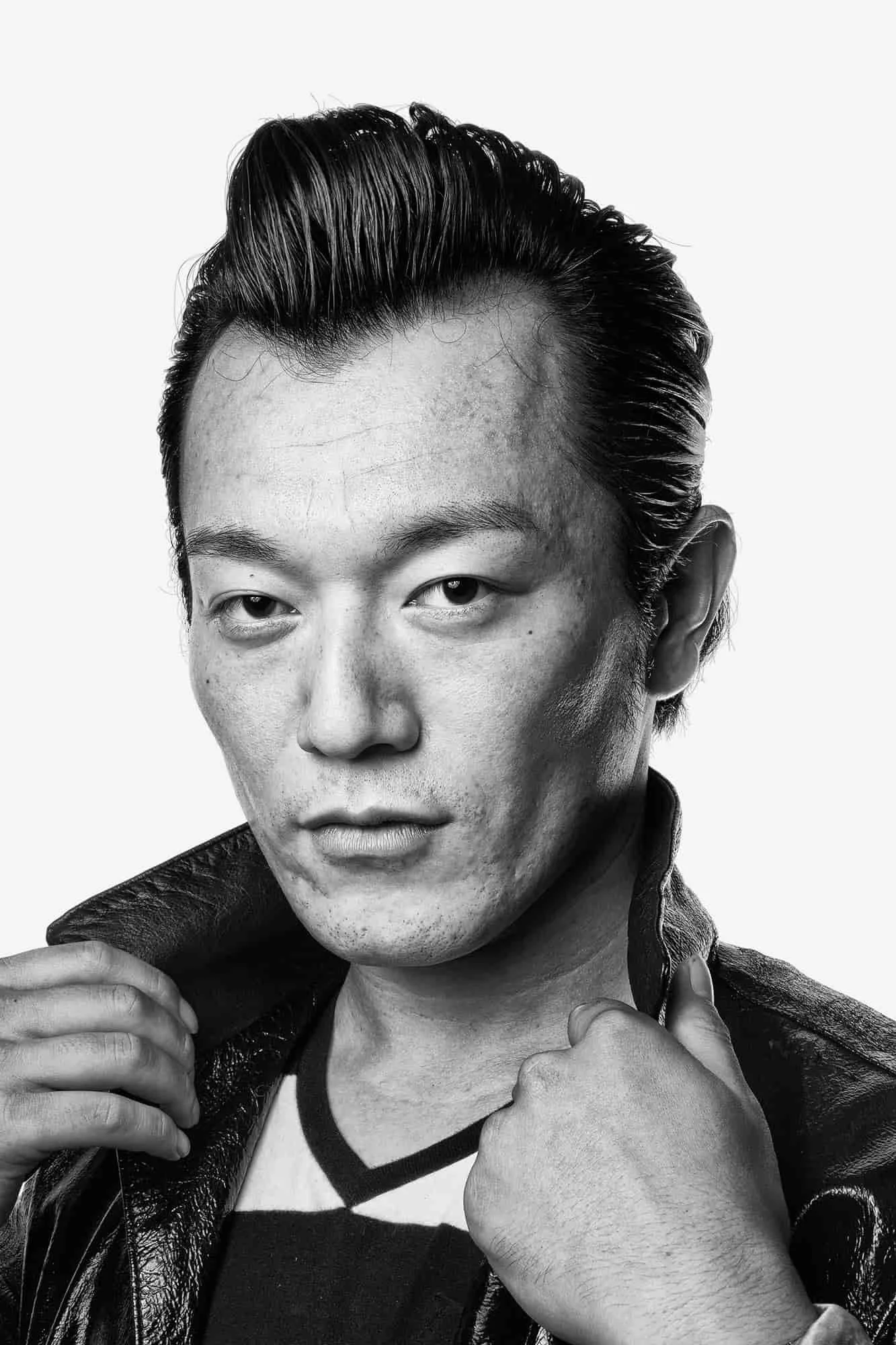
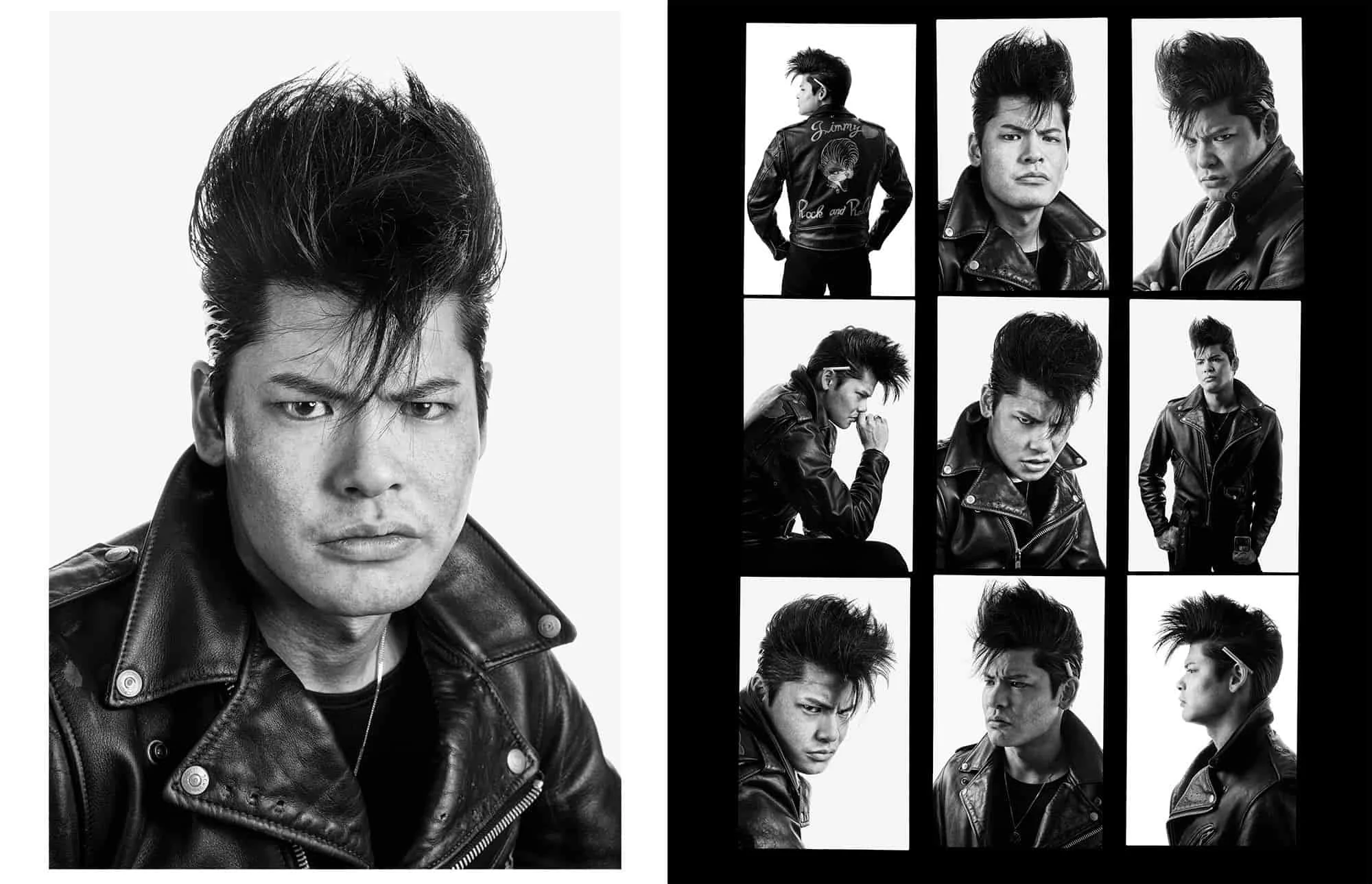
Various views of the Roller Jimmy
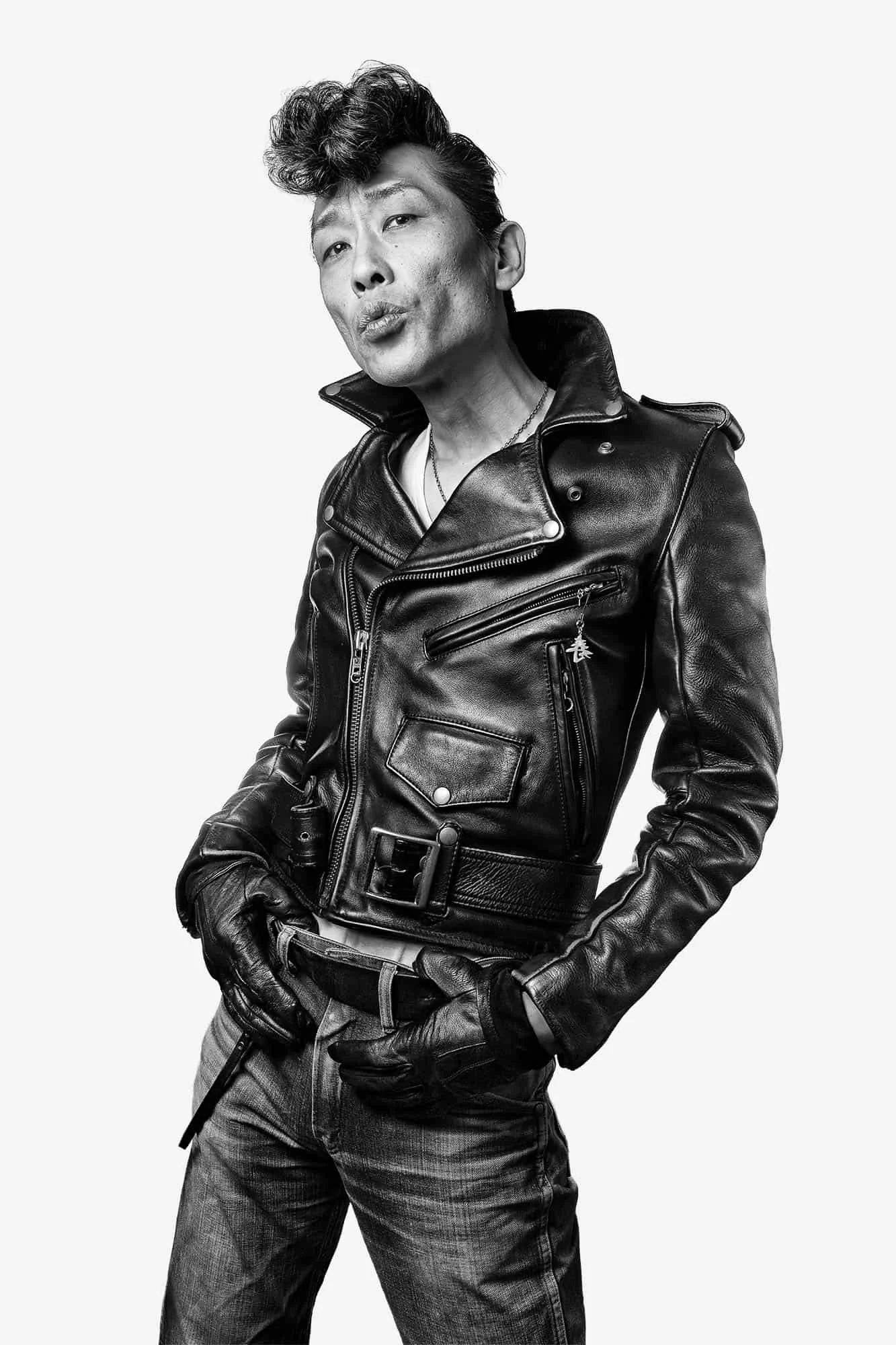
Tachi All Right in Harajuku, Tokyo, Japan
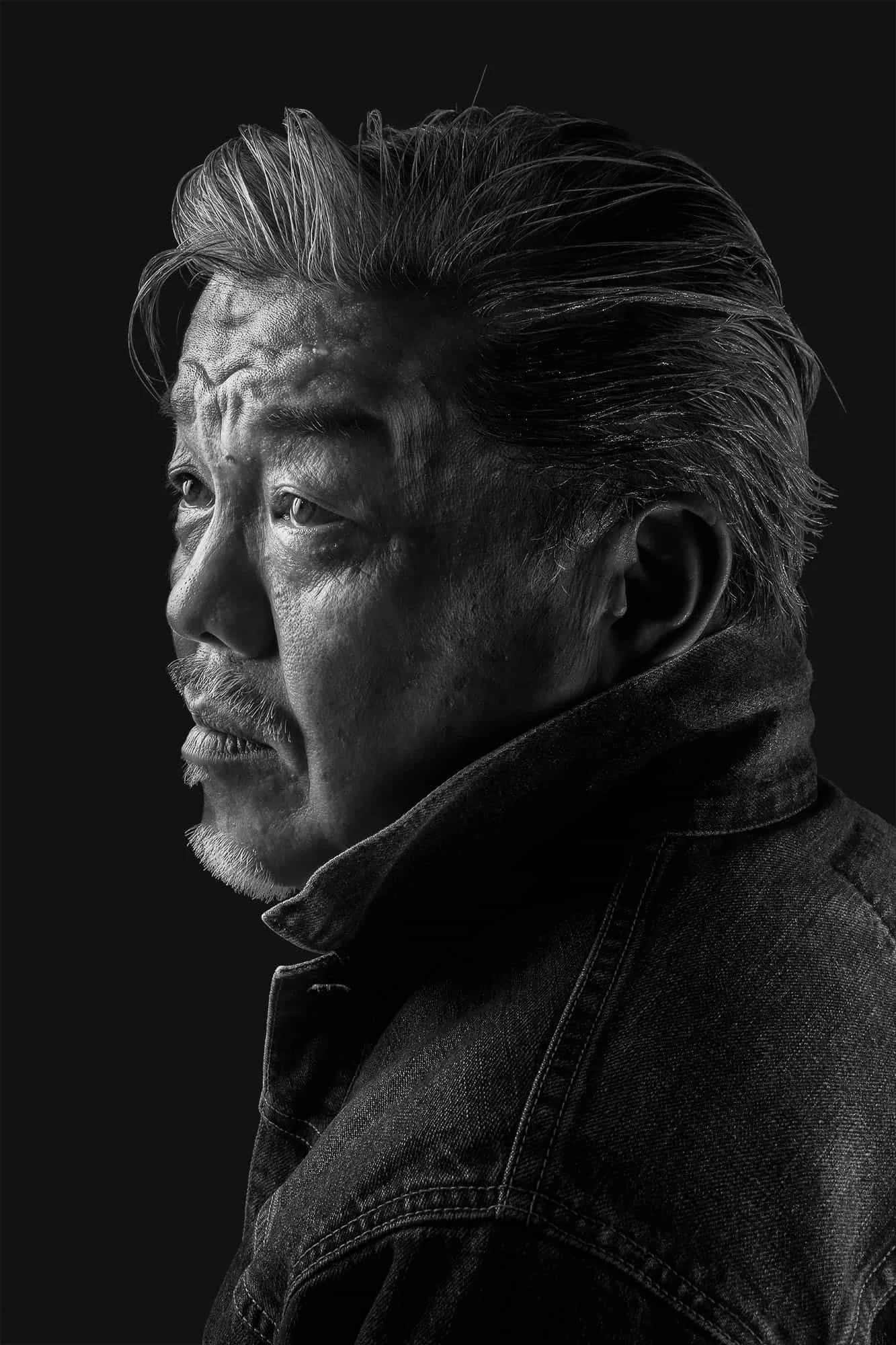
Charlly the leader of the Yoyogi based Rollers the Strangers
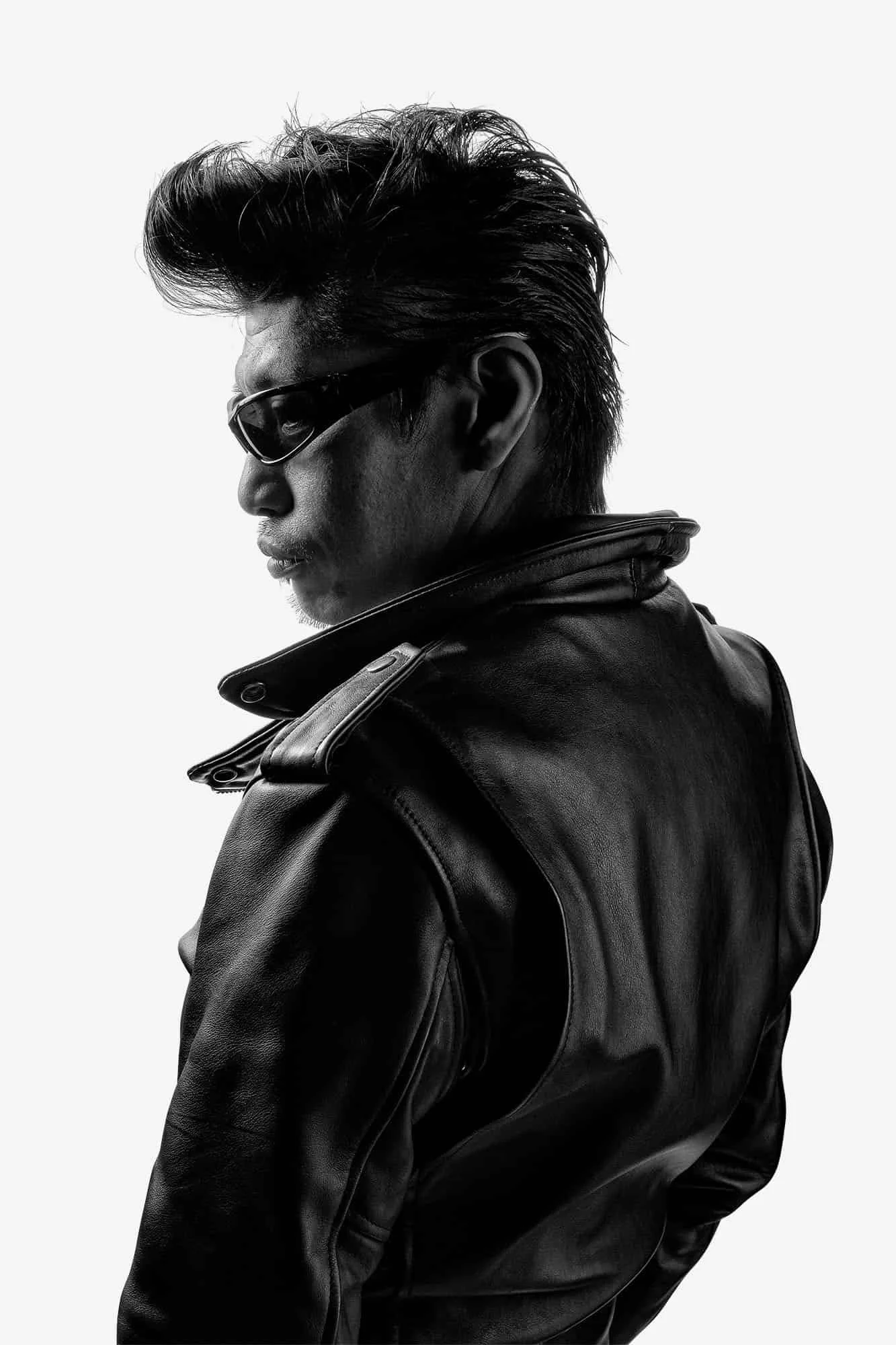
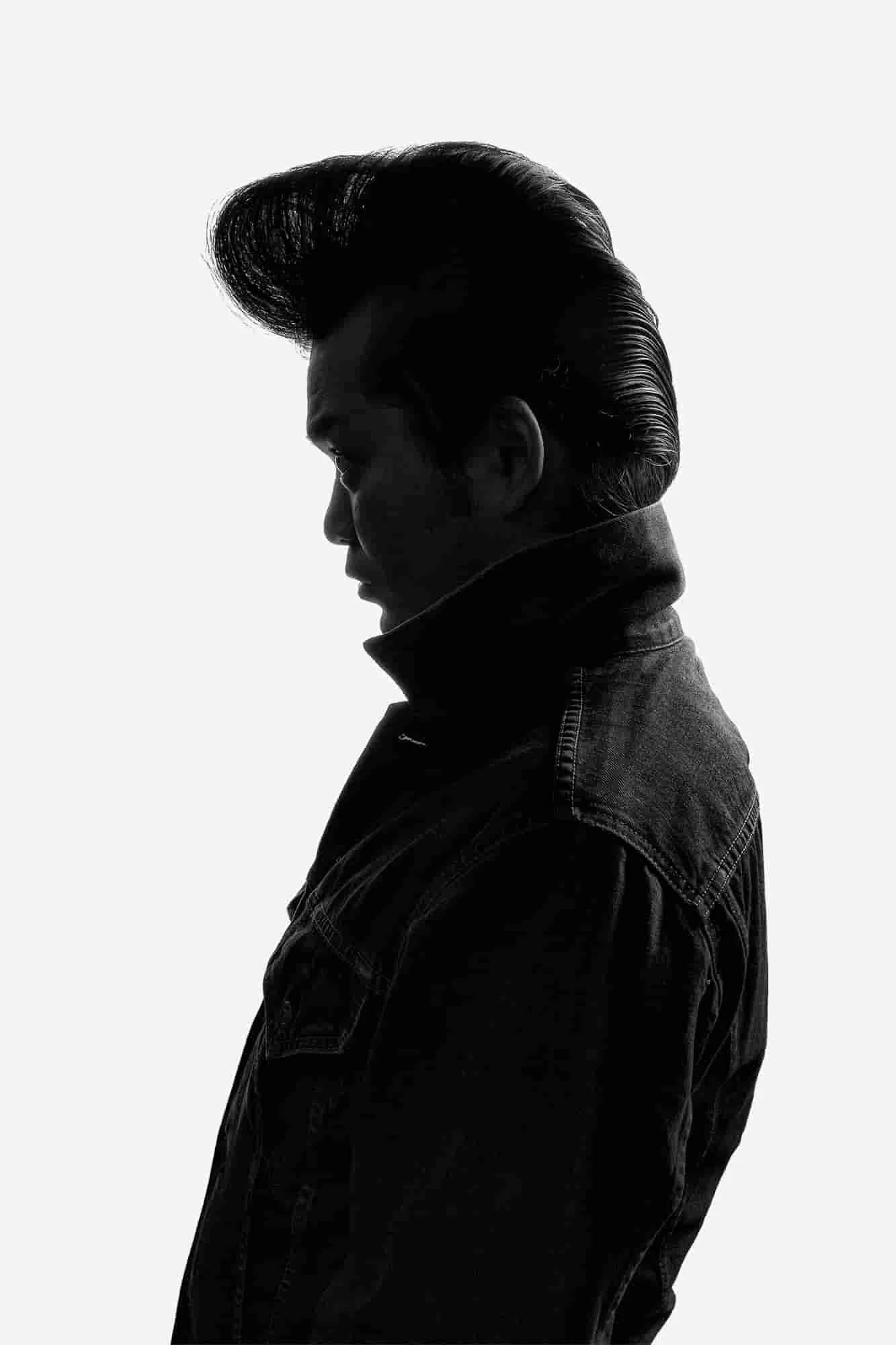
A silhouette of an Early Roller member
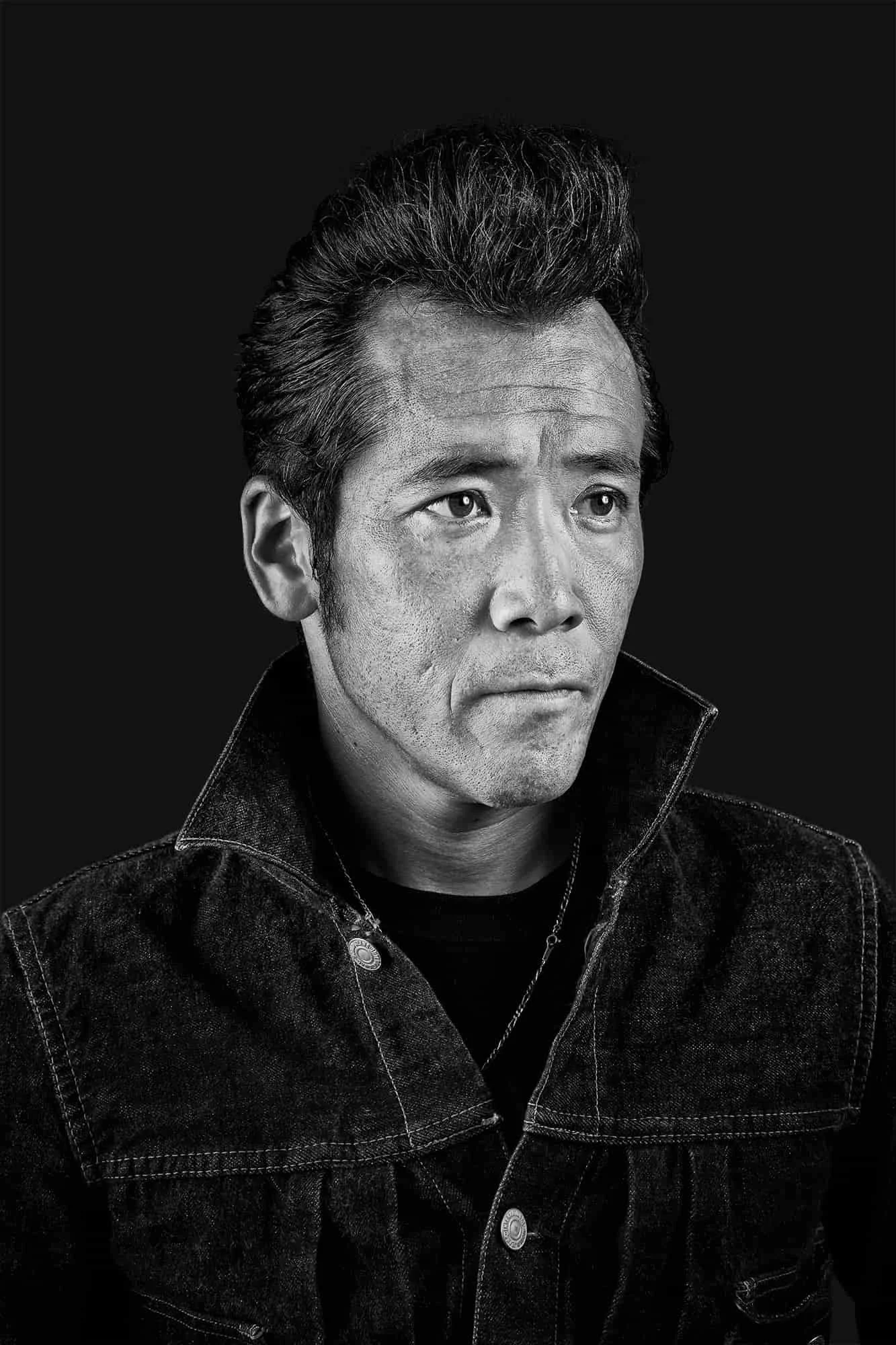
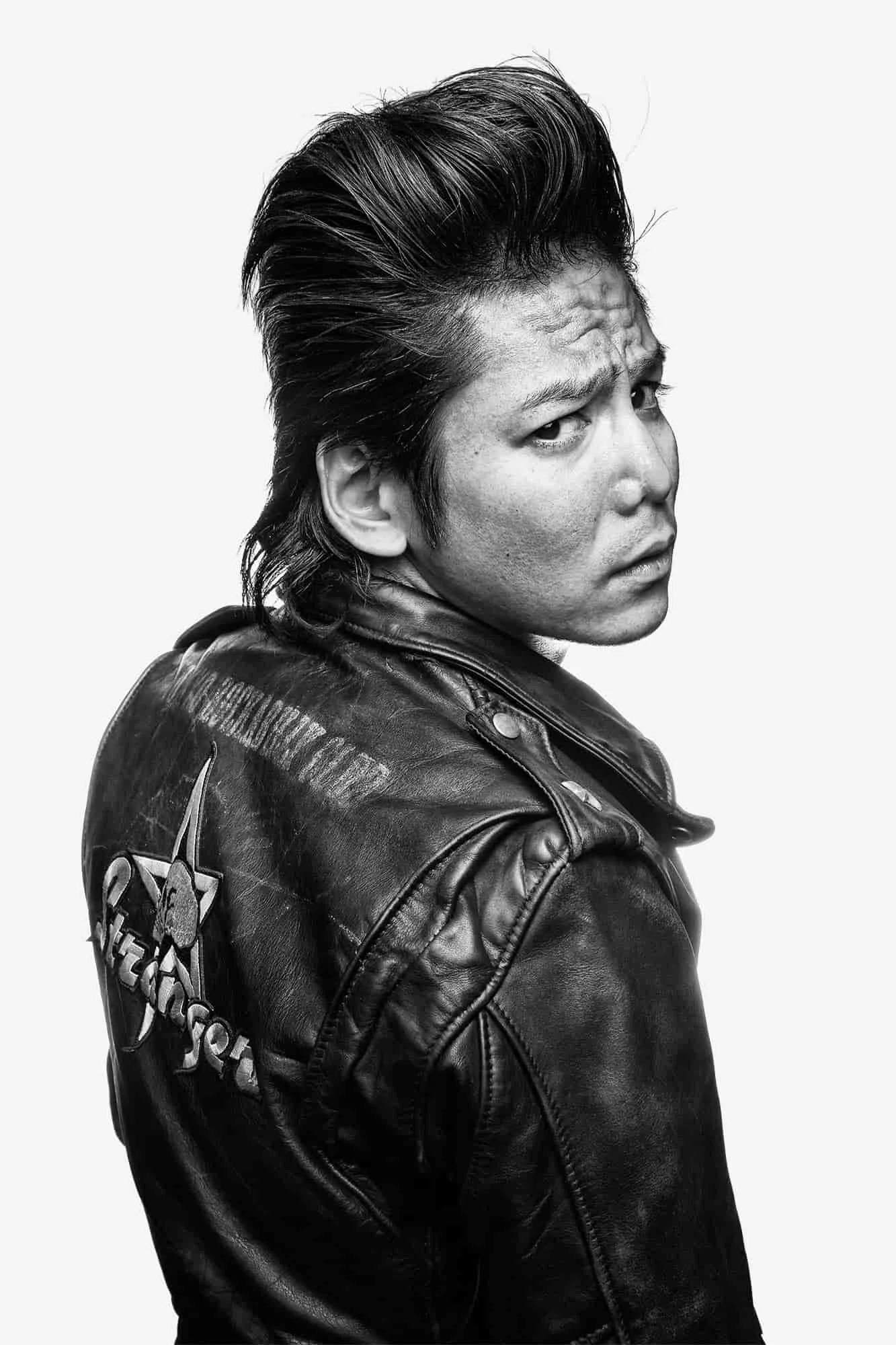
Joe in a Tokyo Rockabilly Club leather jacket converted to a Strangers jacket
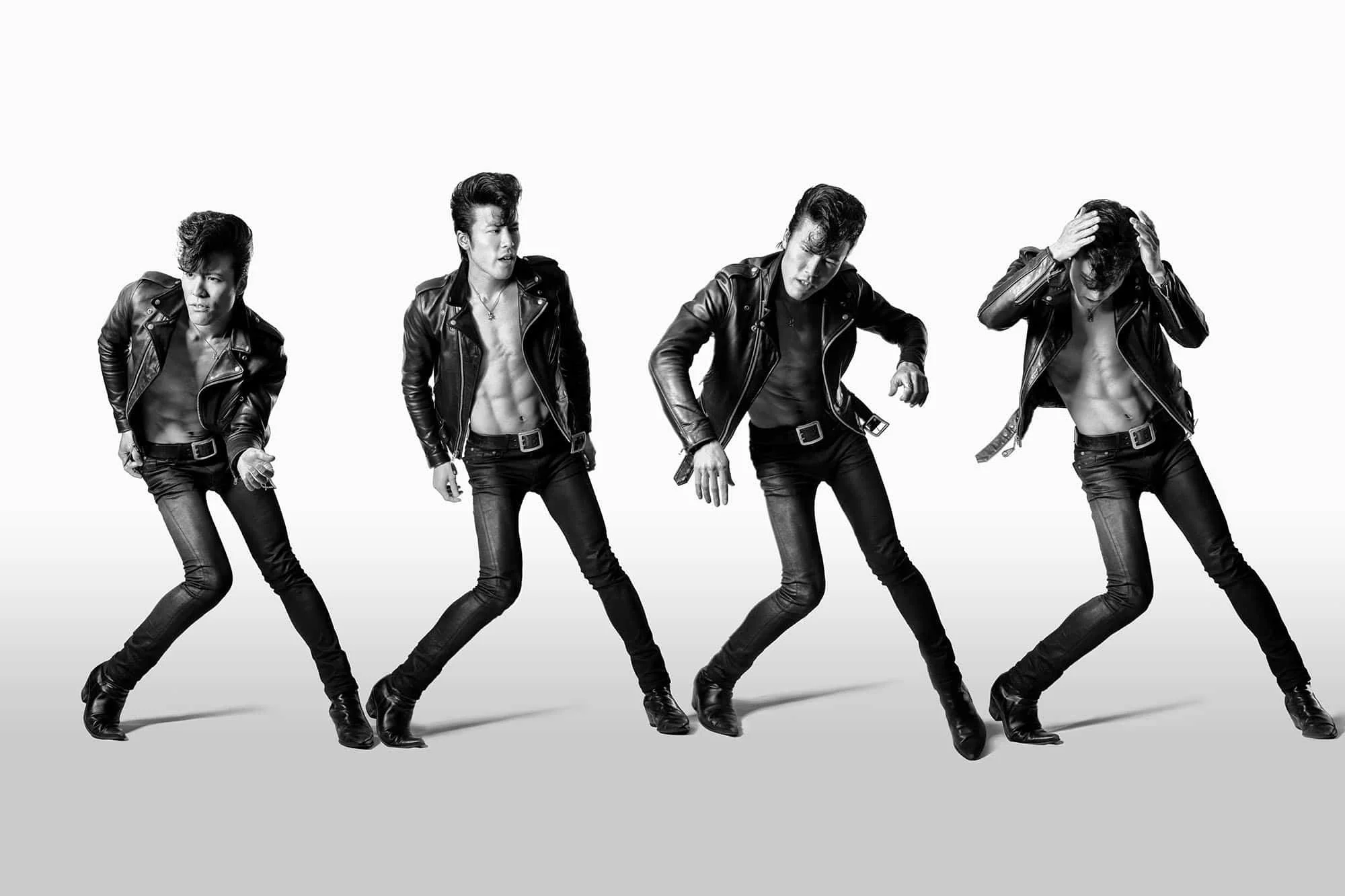
Johnny Diago Pandora dancing
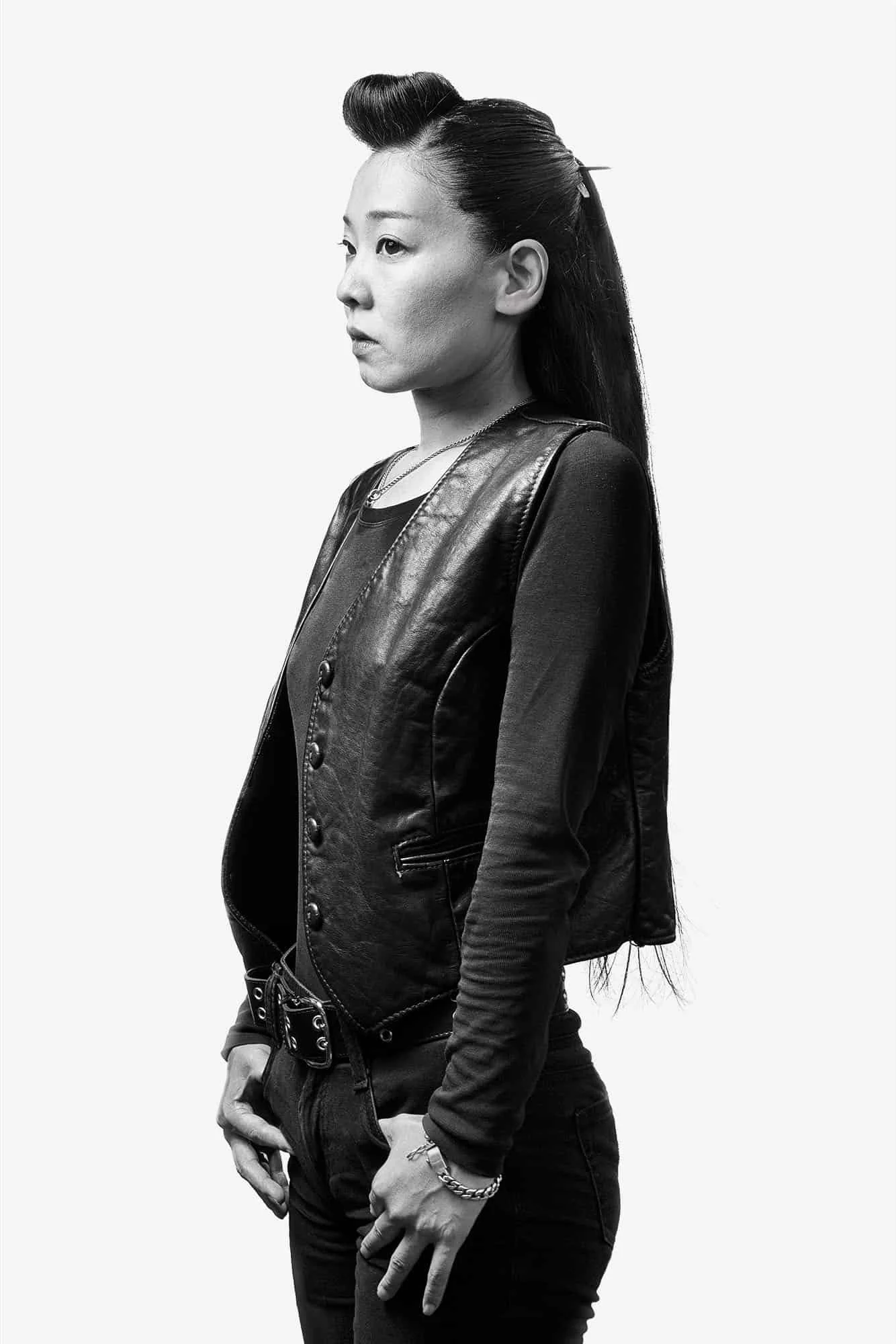
Kazuyo of Twistin' Dogs
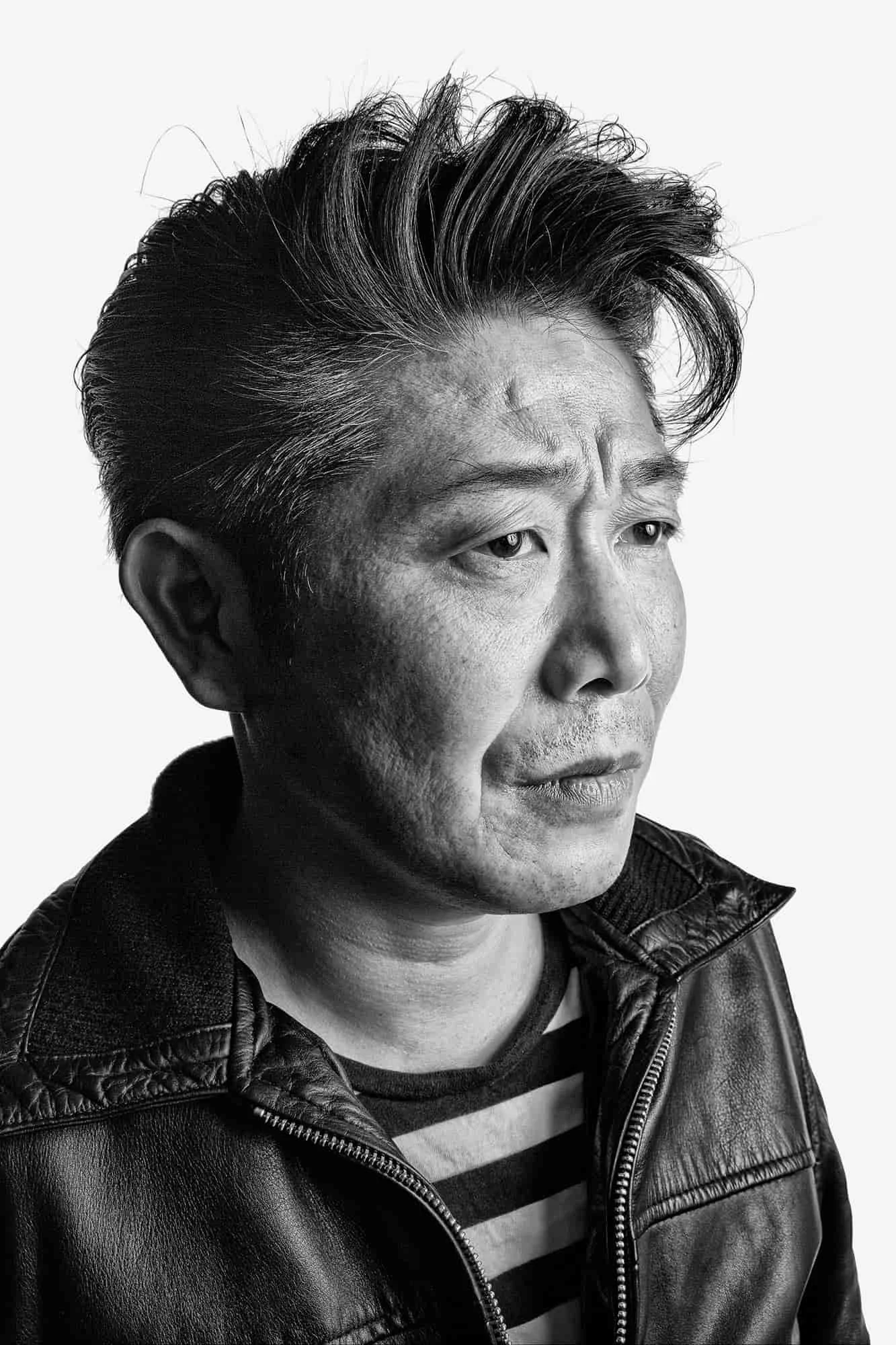
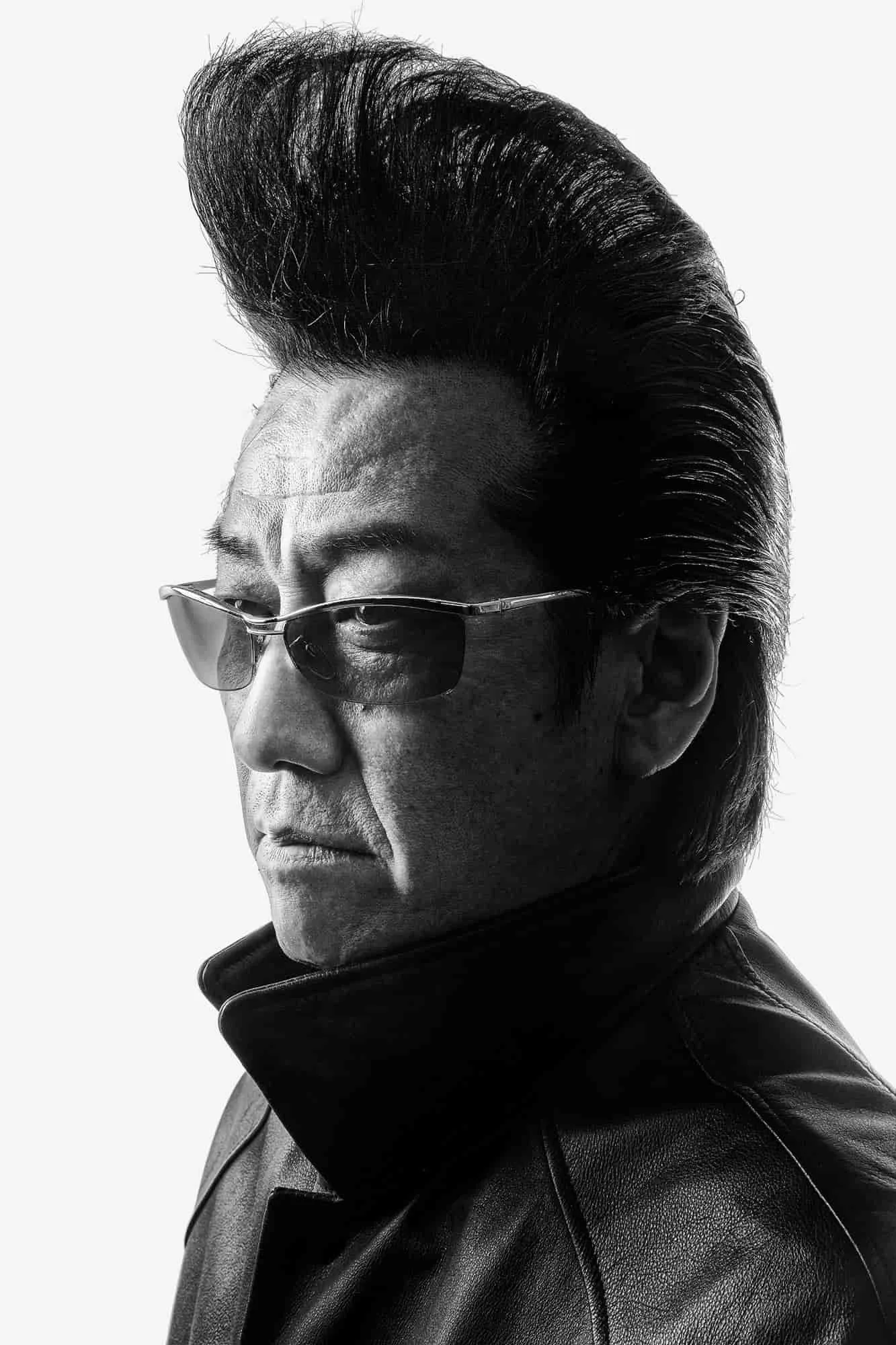
Black Shadow member
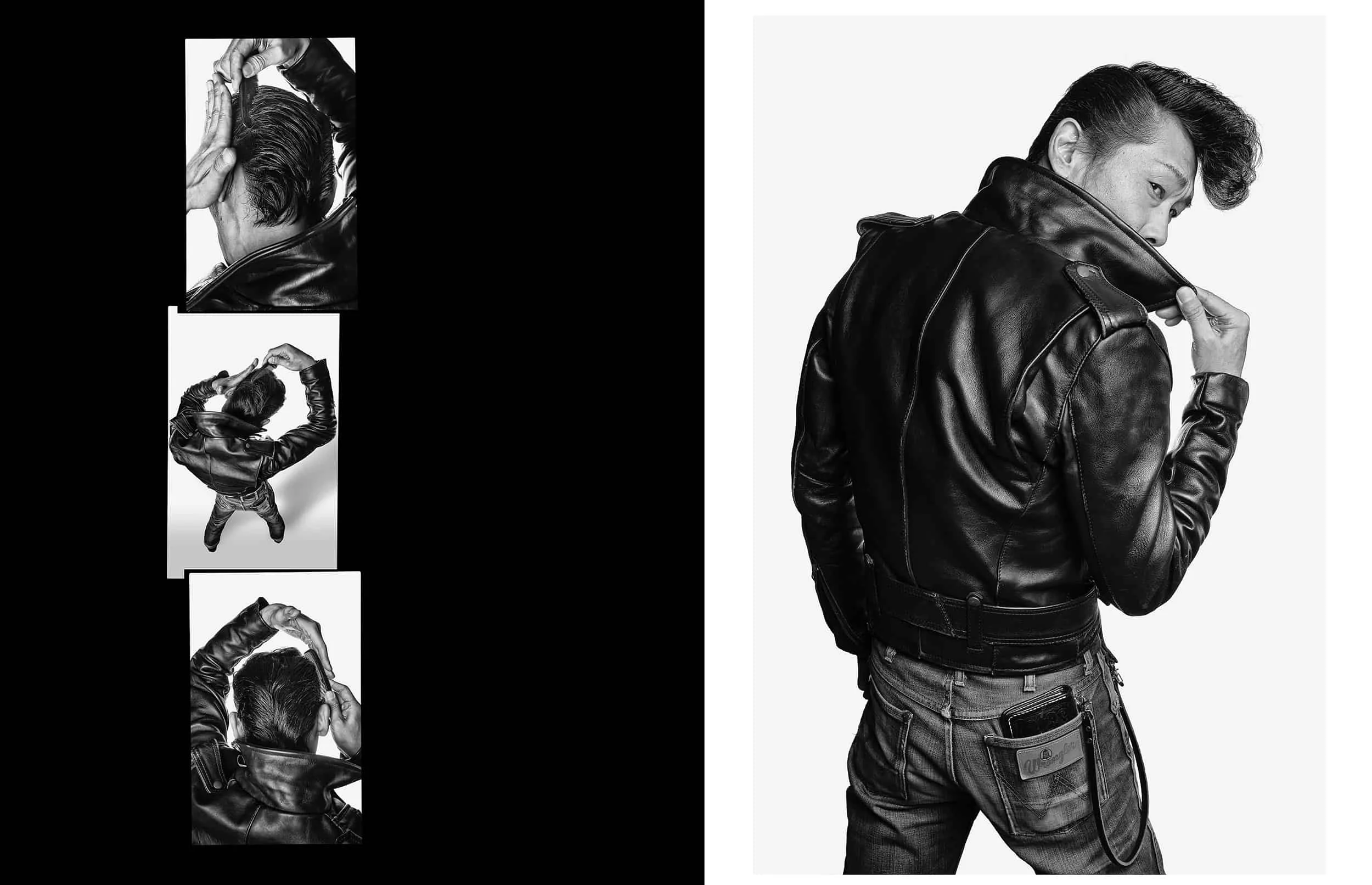
Various views of Tachi All Right photographed in Tokyo
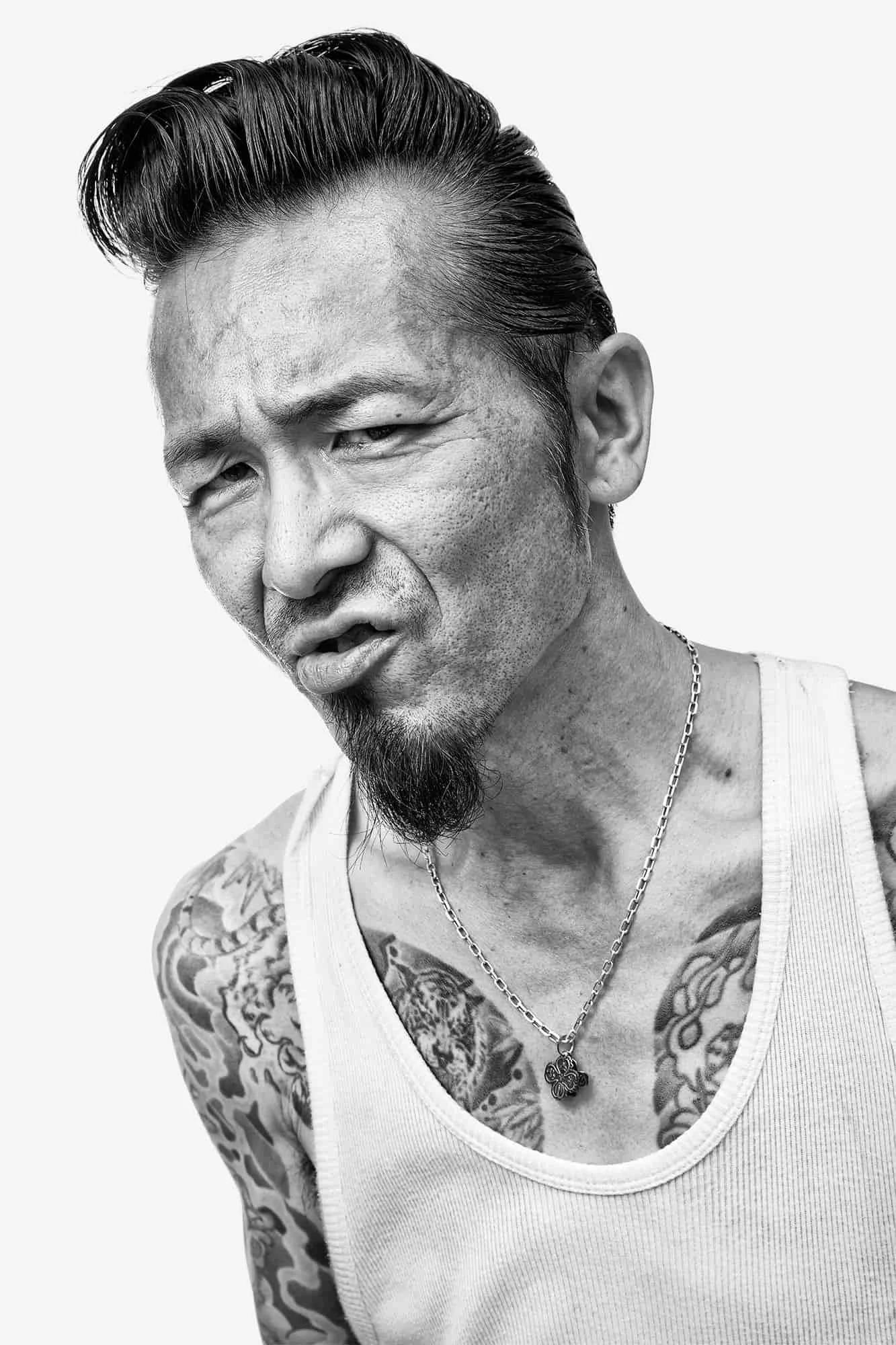
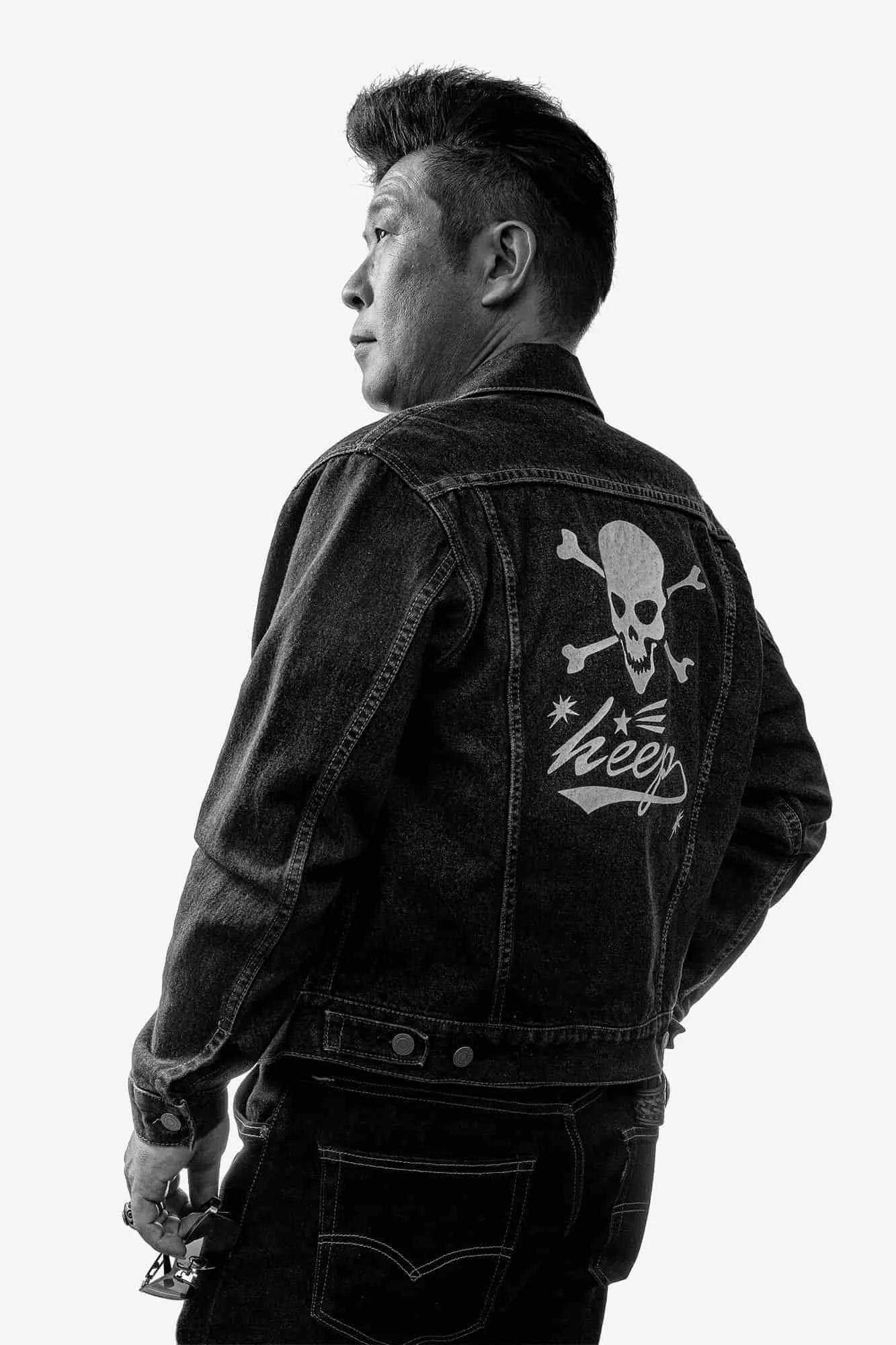
Leader of the Keep
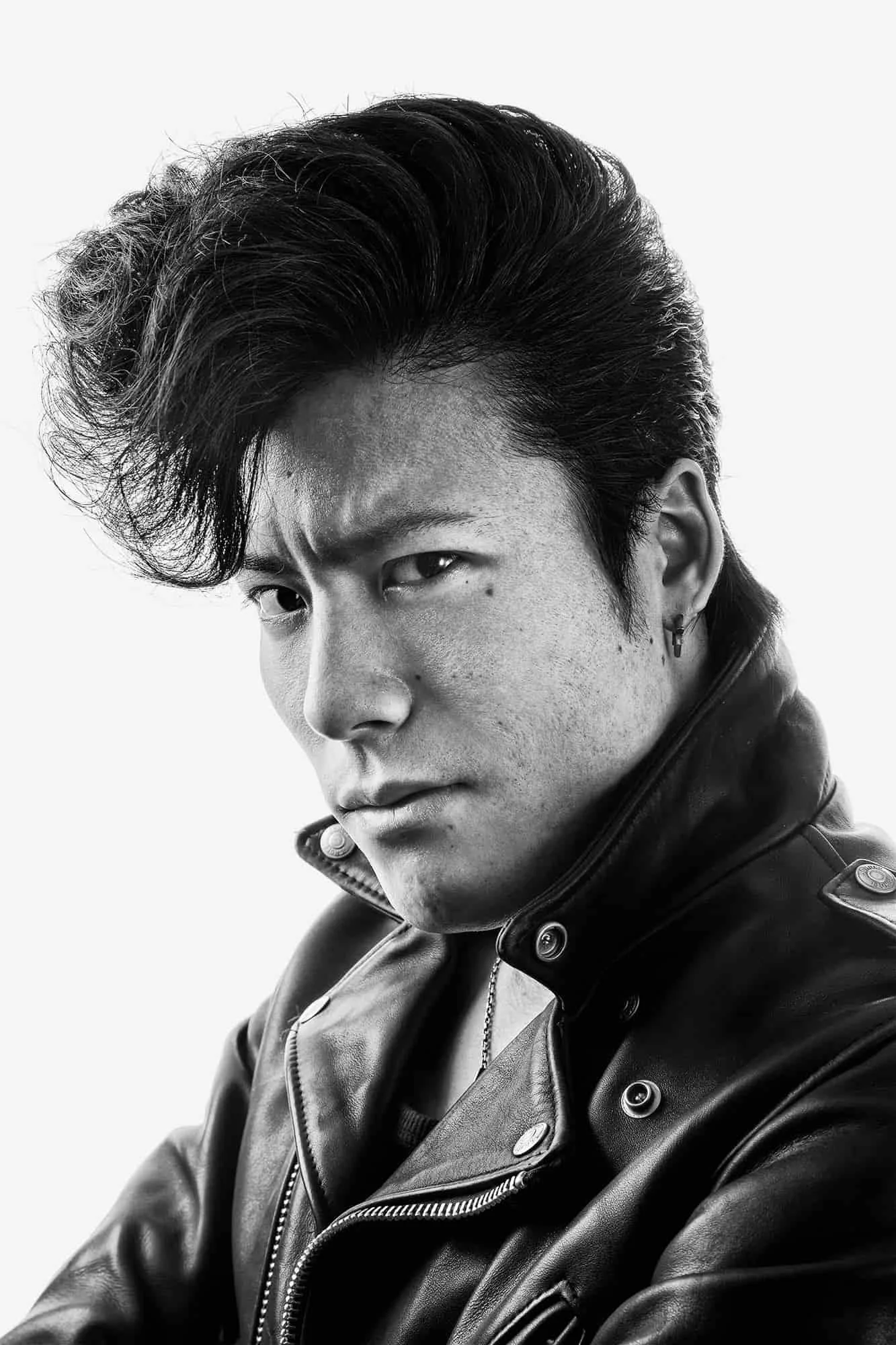
Johnny Diago of Johnny Pandora, 2018
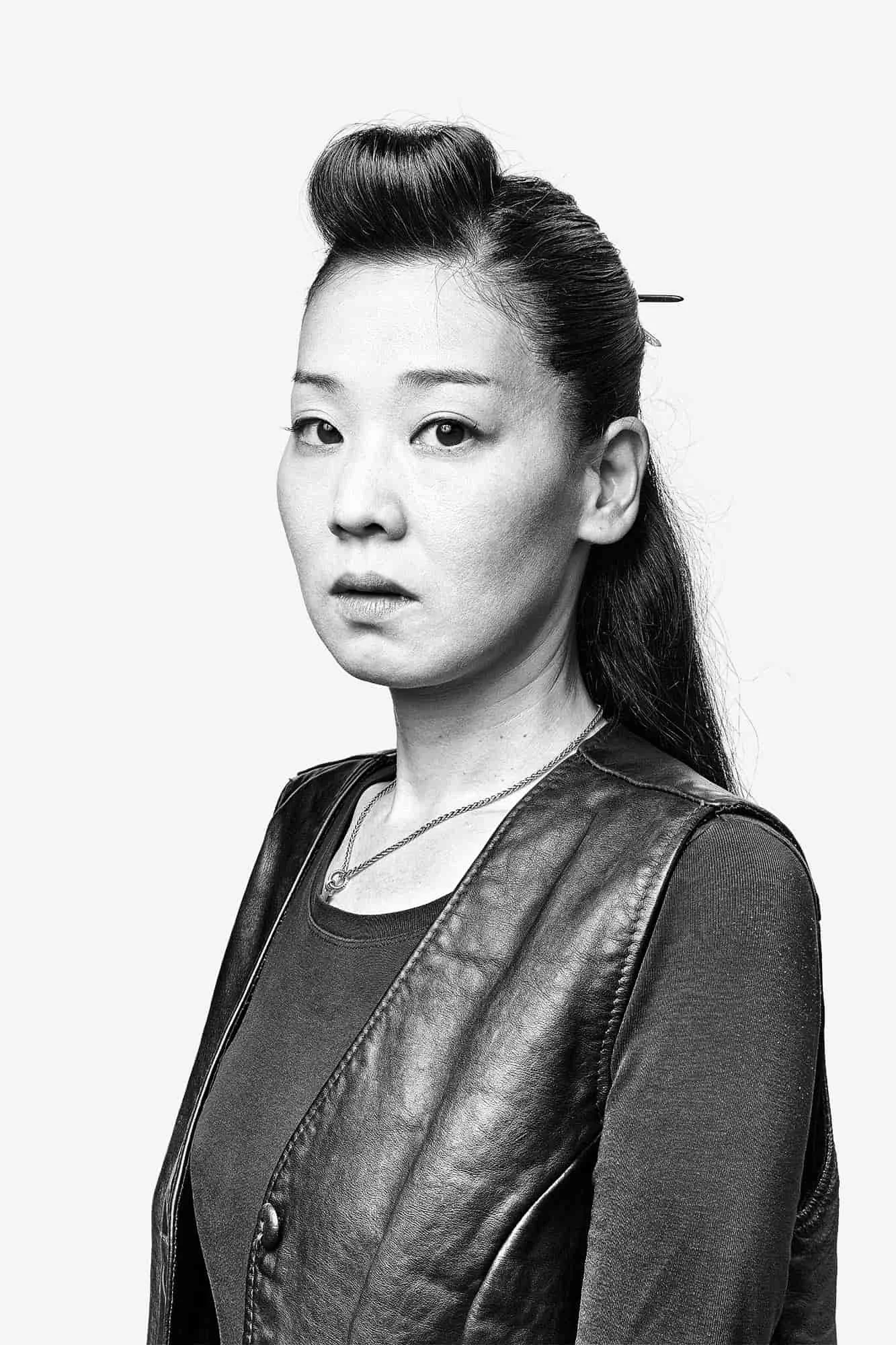
Kazuyo of Twistin' Dogs
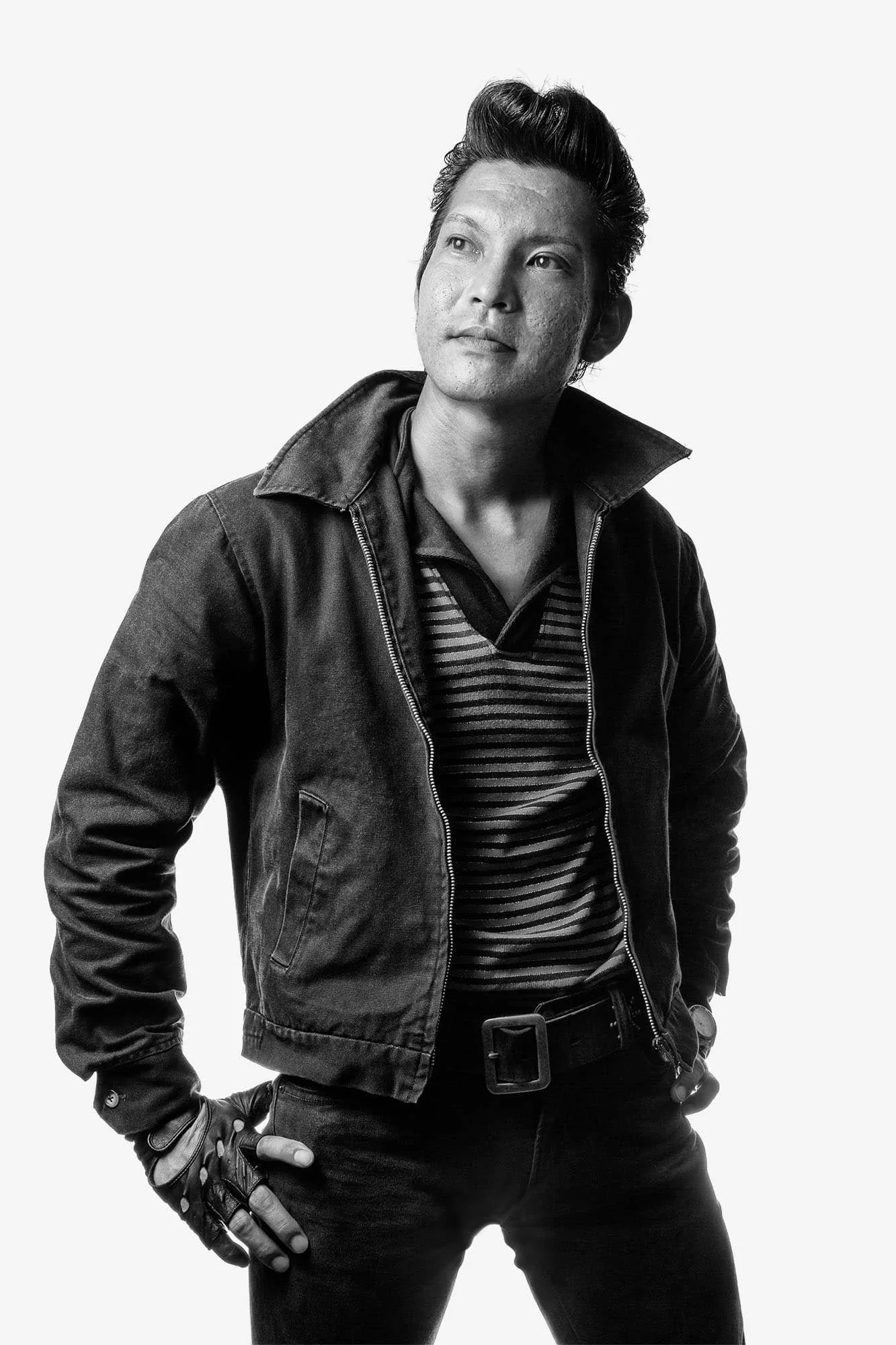
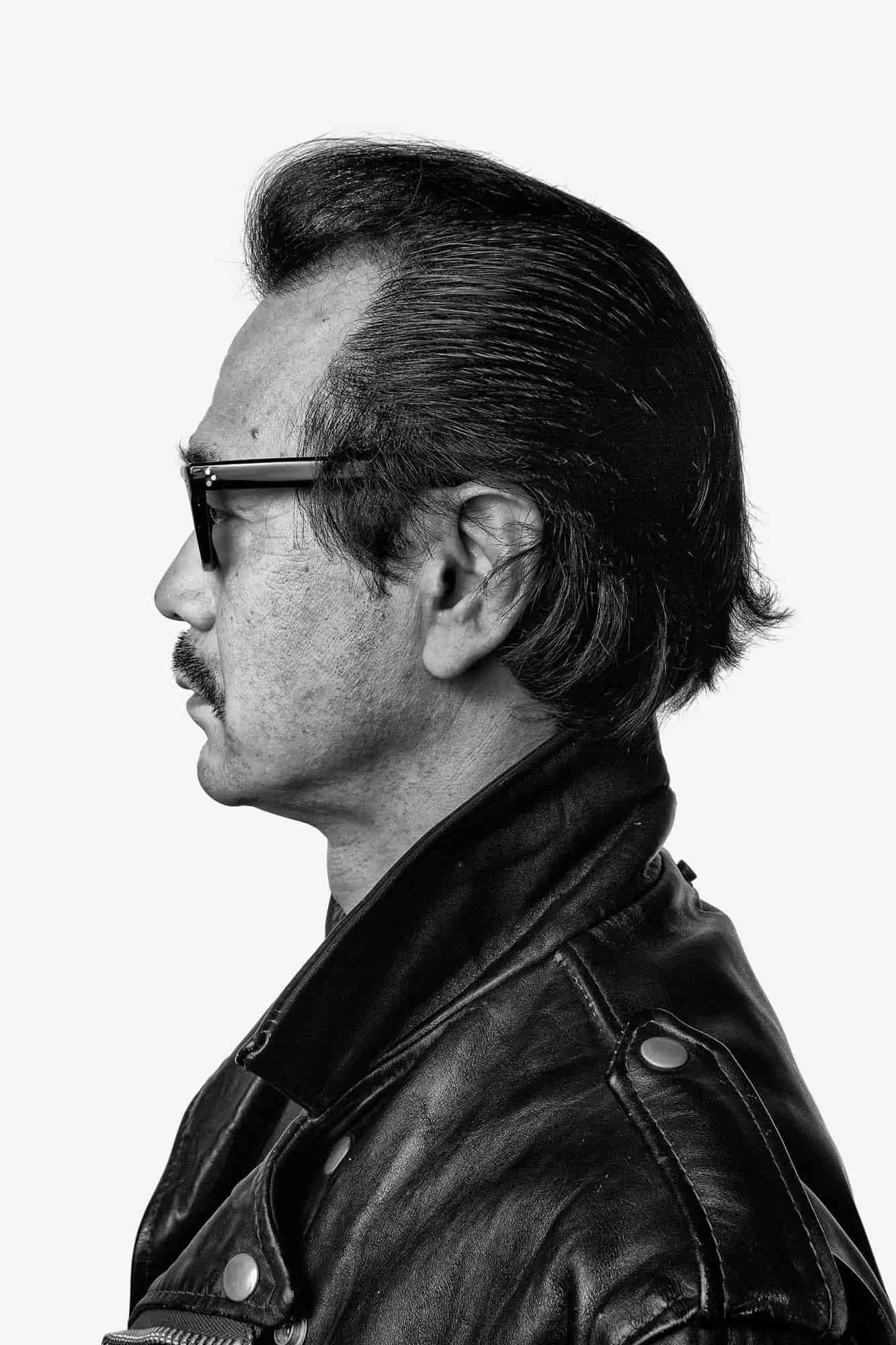
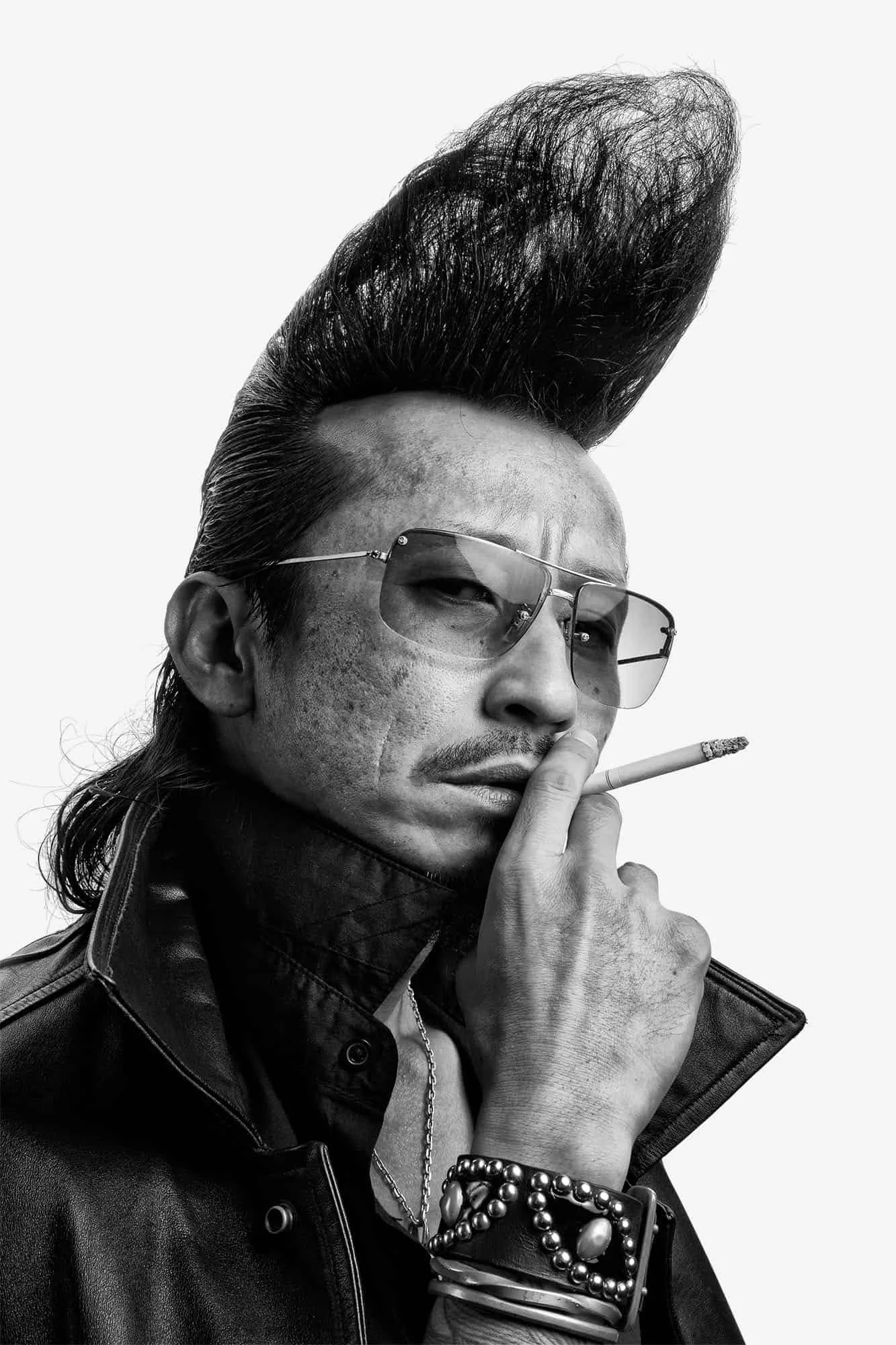
Akira of the Early Rollers, 2015.
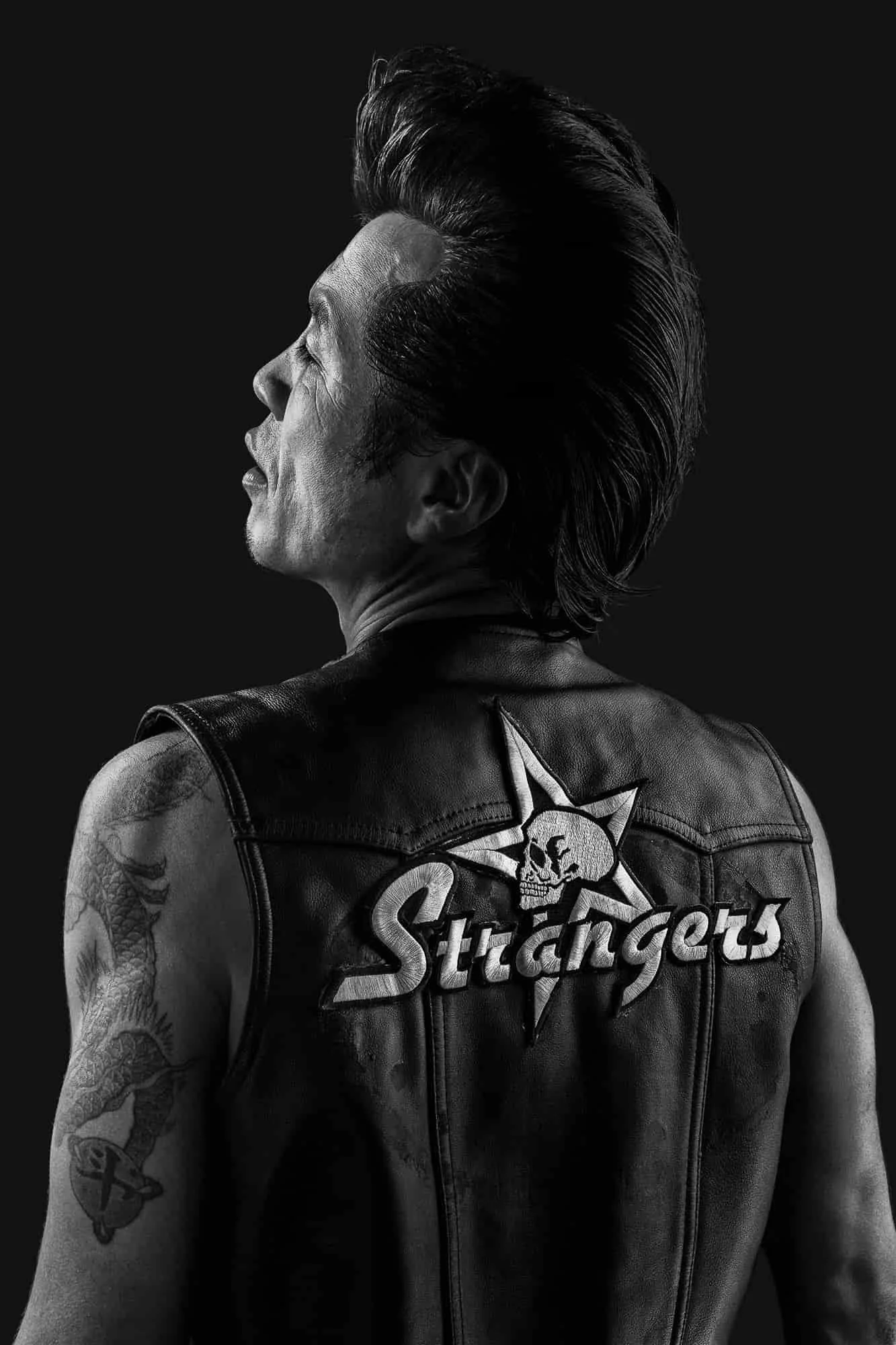
A member of the Strangers
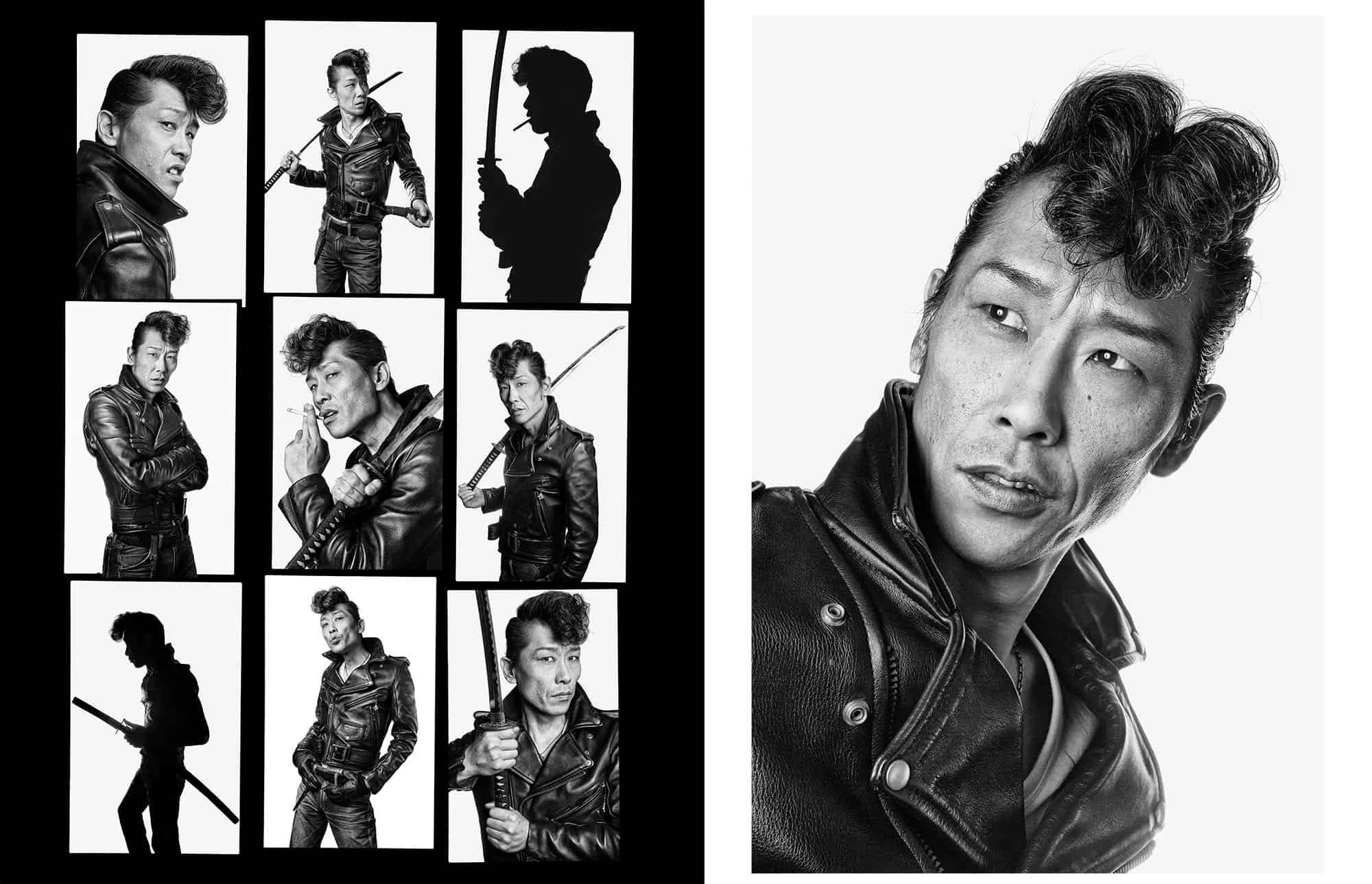
Various views of Tachi All Right
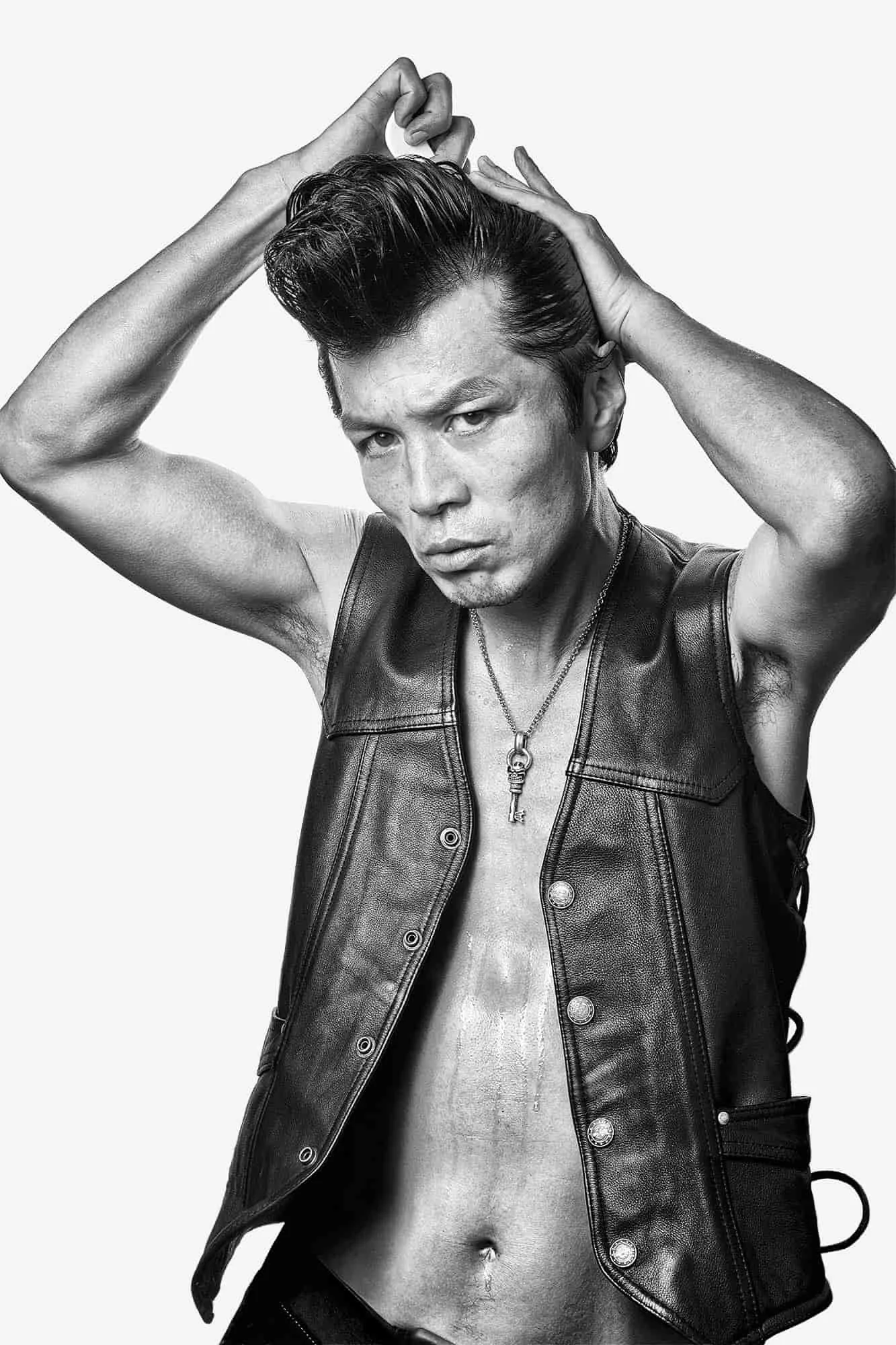
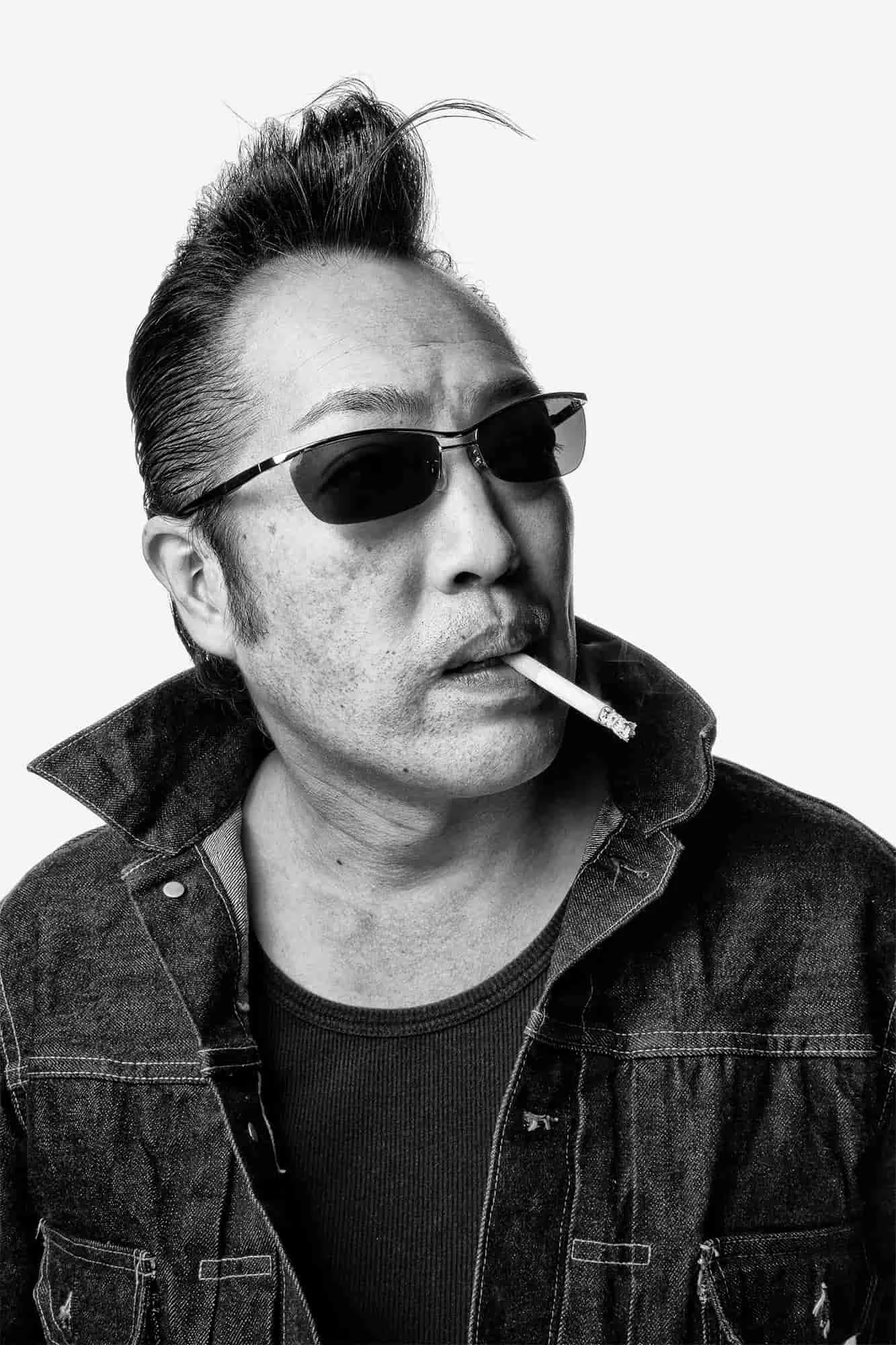
Yosuke of the Strangers
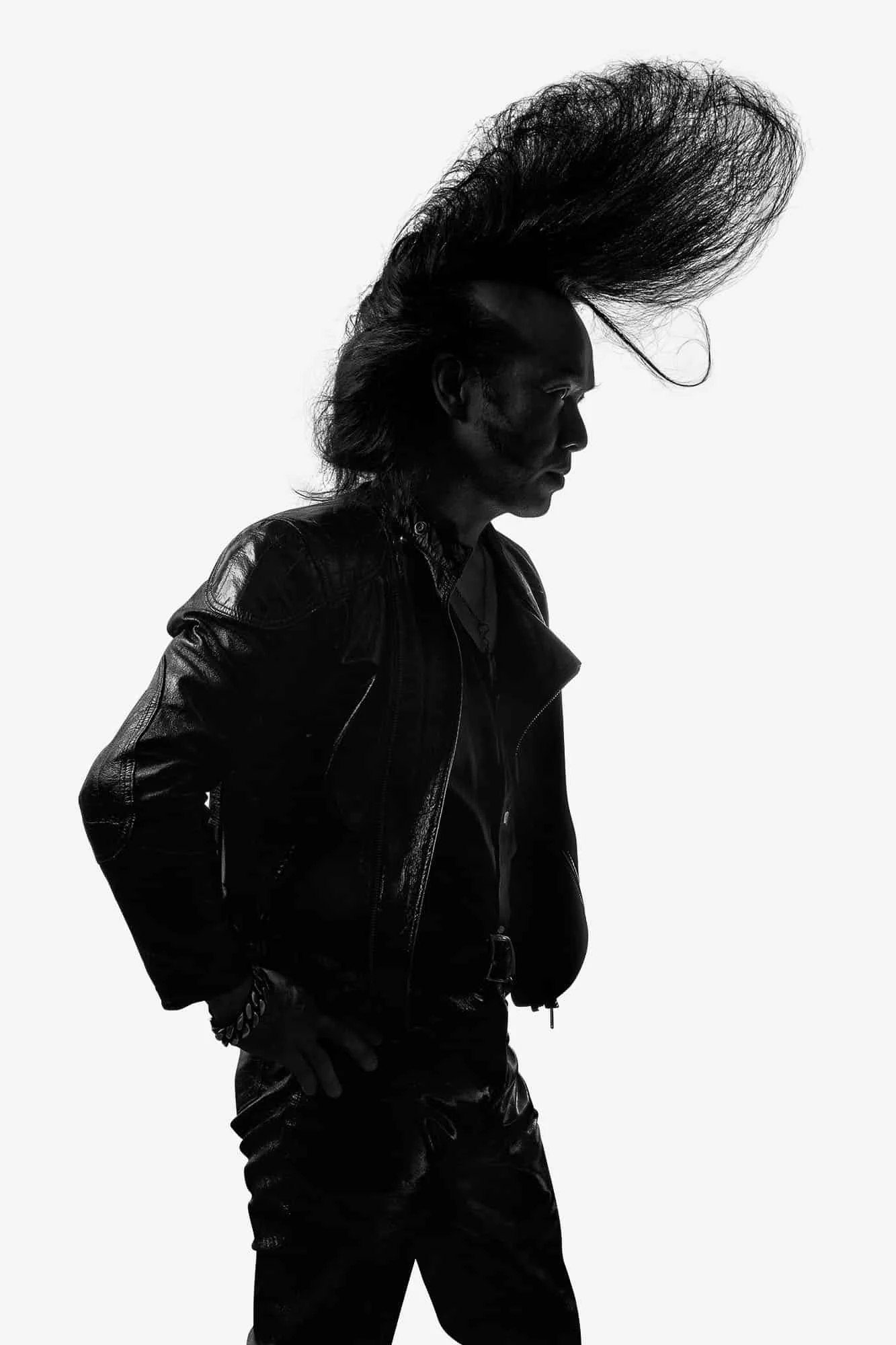
Silhouette of Zim from Black Shadow
ROLLERS: TOKYO ROLLERZOKU GANGS, Photographs by Denny Renshaw
Among Japan's many fashion tribes, one of the less explored is the Rollerzoku. For over 40 years the Rollerzoku subculture has been borrowing greaser styles, gathering together for loud Rock n' Roll music, and sporting leather, denim and big greased up pompadours called regents. The Roller-zoku have grown from the roots of both 1950's Rock n' Roll and Rockabilly because Japanese record labels did not differentiate between these musical categories at the time of their introduction. Japan experienced the popularity of these early Rock n' Roll styles as did much of the world at that time, but it was the revival in the 1970's that brought the fashions still associated with the Roller-zoku. Japanese bands at the forefront of this musical revival, like Carol in 1972 and the Cools 1975, began associating themselves with leather jackets, greased back hair and motorcycles.
Unlike many other fashion tribes these greasers are often all ages from the young to the old. Rollerzoku can often identify themselves as members of gangs. An interesting aspect of this tribe is some members' predilection for dancing. Much like early Hip Hop was associated with breakdancing, the Rollers have their own brand of dancing, incorporating classic Rock n' Roll moves as well as intricate footwork, acrobatics, and theatricality.
This ongoing photographic series contains hundreds portraits created by New York editorial portrait photographer Denny Renshaw over many trips to Japan starting in 2013 and it continues to evolve with new work. The subjects are shown as they were found in bars, parks, shows and city sidewalks. This series has been featured in Rolling Stone Magazine, CNN Style, and many others.